






An afternoon errand at a Main Street business or an evening walk through a Nashua apartment complex should not end in a hospital visit. Yet snowy walkways, broken staircases, and poorly lit parking lots send New Hampshire residents to the emergency room every year, often because a property owner ignored a hazard that basic upkeep would have fixed. When negligence on someone else’s property causes real physical injury, victims deserve more than a shrug from an insurance adjuster. Sweeney Merrigan Personal Injury Lawyers has represented Massachusetts and New Hampshire accident victims for three generations, and our team understands what it takes to hold negligent property owners accountable.
If you are searching for a Nashua premises liability lawyer, our attorneys are ready to review your case and explain your options.
Helping Nashua Residents Injured on Someone Else’s Property
Nashua is home to more than 90,000 residents, along with visitors who come for shopping at Pheasant Lane Mall, dining along Main Street, or medical care at Southern New Hampshire Medical Center. Every one of these locations carries a legal obligation to keep patrons reasonably safe. When a business, landlord, or homeowner ignores that duty, the people who trusted the property often pay in medical bills, missed work, and long recovery.
A premises liability claim is not about assigning blame casually. It requires proof that a property owner knew, or reasonably should have known, about a dangerous condition and failed to correct it. Building that proof takes investigation and a clear understanding of how New Hampshire courts evaluate these claims.
What Is Premises Liability Under New Hampshire Law
Premises liability is the legal principle holding property owners and occupiers responsible when a dangerous condition on their property injures someone lawfully present. In New Hampshire, this duty rests on the owner’s control of the premises and their opportunity to identify and fix hazards before someone gets hurt.
New Hampshire departs from the traditional three-tier approach some states still use to sort visitors. In Ouellette v. Blanchard, the New Hampshire Supreme Court adopted a single reasonable care standard that applies to most people lawfully on a property, regardless of whether they entered as a customer, a social guest, or otherwise. How and why a person entered still matters, but that classification no longer decides the case alone. Courts examine what the property owner knew, what they should have discovered through reasonable inspection, and whether they acted once a hazard became apparent. Proving a claim generally requires showing a duty of care, a breach of that duty by failing to address a known or discoverable hazard, and that the breach directly caused compensable injury.
New Hampshire also follows a modified comparative negligence rule under New Hampshire Revised Statutes Annotated 507:7-d, meaning an injured person can still recover damages even if they bear some responsibility for the accident, provided their share of fault does not exceed the responsible party’s share. Insurance companies frequently attempt to inflate that share to reduce a payout, which is one reason legal representation matters early in a claim.
Common Types of Premises Liability Cases in Nashua
Premises liability claims arise from a wide variety of situations, and the specific hazard involved shapes how a case is proven. Nashua’s mix of retail centers, apartment complexes, hotels, and public spaces creates numerous opportunities for property owners to fall short of their obligations. The following categories represent common premises liability cases our firm handles.
Slip and Fall Accidents
Slip and fall accidents remain the most frequently reported premises liability claims in Nashua. Wet floors in grocery stores, unsalted ice on apartment walkways during New Hampshire winters, loose carpeting, and uneven pavement all create fall hazards that a property owner should identify and correct. Even a minor fall can cause fractures, head injuries, or spinal trauma, particularly for older adults.
Proving these claims typically requires showing how long the hazardous condition existed and whether the owner had a reasonable opportunity to address it before the accident occurred.
Inadequate Security and Criminal Assaults
Property owners who invite the public onto commercial premises, apartment complexes, or parking garages have a duty to provide reasonable security when criminal activity is foreseeable. Broken locks, non-functioning cameras, poorly lit stairwells, and unsecured entry points can all contribute to an assault or robbery on the property.
When an owner ignores a documented pattern of prior incidents or fails to maintain basic security infrastructure, that failure can form the basis of a premises liability claim, separate from any criminal charges against the person who committed the assault.
Dog Bites and Animal Attacks
New Hampshire imposes strict liability on dog owners for injuries their animals cause. Under New Hampshire Revised Statutes Annotated 466:19, a person injured by a dog can recover damages from the owner or keeper without proving the owner knew the dog had aggressive tendencies, unless the injured person was trespassing or committing another tort.
This standard makes many dog bite claims more straightforward than other premises cases, though landlords may share responsibility when a dangerous animal is kept on rental property with the owner’s knowledge.
Swimming Pool and Elevator Accidents
Swimming pools present drowning and slip hazards, particularly for young children, when property owners fail to install proper fencing, self-latching gates, or supervision signage at apartment complexes and hotels. Elevators and accessibility lifts carry their own regulatory framework in New Hampshire. The state’s Elevator and Accessibility Lift Law sets annual inspection, certification, and maintenance requirements for equipment owners.
When an elevator malfunctions because an owner lets inspection certificates lapse, injured passengers may have grounds for a claim against the building owner or the maintenance company responsible for the equipment.
What to Do After a Premises Liability Accident in Nashua
The steps taken right after an accident can affect both medical recovery and the strength of a future legal claim. If you were injured on someone else’s property in Nashua, the following actions help protect your health and your legal rights:
- Seek Medical Attention: Get evaluated right away, even if injuries seem minor, since symptoms do not always appear immediately.
- Report the Incident: Notify the property owner, manager, or landlord and request a copy of any incident report.
- Document the Scene: Photograph the hazardous condition, your injuries, and the surrounding area before repairs are made.
- Gather Witness Information: Collect names and contact details from anyone who saw the accident occur.
- Preserve Evidence: Keep the clothing and footwear worn during the incident, since these items may show how the hazard contributed to the fall.
- Avoid Recorded Statements: Insurance adjusters may request a statement quickly. Speak with an attorney first.
Acting promptly preserves the evidence needed to hold a negligent property owner accountable.
Compensation Available for Your Premises Liability Claim
A successful premises liability claim can address both the financial and personal toll of an injury. Economic damages typically include past and future medical expenses, rehabilitation costs, and lost income when an injury prevents someone from working during recovery. When an injury results in permanent impairment, diminished earning capacity may also be a factor in the claim.
Non-economic damages address the less tangible consequences of an injury, including pain, emotional distress, and the loss of enjoyment of activities a person previously valued. In cases involving permanent scarring, disability, or a wrongful death, these damages often represent a substantial portion of the total recovery. Because compensation may be reduced based on shared fault, building a claim with clear evidence helps ensure an accurate outcome.
New Hampshire’s Statute of Limitations for Premises Liability Claims
New Hampshire law imposes a firm deadline for filing a premises liability lawsuit. Under New Hampshire Revised Statutes Annotated 508:4, most personal injury claims, including those involving unsafe property conditions, must be filed within three years of the accident. When an injury or its connection to the property owner’s conduct is not immediately apparent, the statute allows the three-year period to begin from the date the injury was discovered, rather than the date of the underlying incident.
Missing this deadline generally bars recovery entirely, regardless of how strong the claim may be. Evidence also becomes harder to gather as time passes, since surveillance footage is often overwritten and witness memories fade. Contacting an attorney soon after an accident helps preserve the claim and the evidence needed to support it.
Why Choose Sweeney Merrigan Law as Your Nashua Premises Liability Attorney
Our firm has recovered over $500 million for clients across Massachusetts and New Hampshire, including a $1.675 million recovery in a premises liability case involving a traumatic brain injury and a $1.65 million verdict in a premises liability matter involving a permanent injury. That track record reflects thorough investigation and a willingness to take difficult cases to trial when insurers refuse to offer fair value. Hon. Thomas T. Merrigan (Ret.), a former trial judge recognized as Trial Judge of the Year, is a partner at our firm, and our attorneys have been recognized in Best Lawyers in America and Best Lawyers: Ones to Watch in America.
Premises liability cases often come down to details that are easy to overlook, such as inspection records, maintenance logs, and prior complaints about a hazard. We conduct the investigation needed to uncover that evidence and communicate clearly with clients throughout the process. We handle all communication with insurance adjusters directly, so our clients are not pressured into early settlements.
Talk to a Nashua Premises Liability Lawyer Today
An injury on someone else’s property can disrupt your health, your income, and your peace of mind in an instant. You do not have to face the insurance process alone. Sweeney Merrigan Personal Injury Lawyers offers free consultations to Nashua residents and families across New Hampshire, and there is no fee unless we recover compensation for you.
Visit our office at 230 Amherst Street, Unit 208, Nashua, NH 03063, or call (617) 391-9001 today to speak with a Nashua premises liability lawyer and take the first step toward the accountability and recovery you deserve.
Frequently Asked Questions About Premises Liability Claims in Nashua, NH
Premises liability claims raise many of the same questions for injured Nashua residents. The following answers address some of the most common concerns we hear during initial consultations.
How long do I have to file a premises liability claim in New Hampshire?
In most cases, New Hampshire law gives injured individuals three years from the date of the accident to file a premises liability lawsuit. This deadline comes from New Hampshire Revised Statutes Annotated 508:4, and it may extend when an injury is not immediately discovered. Missing this window generally prevents recovery altogether, so it is best to speak with an attorney as soon as possible after an accident.
What if I was partly at fault for my injury?
You may still recover compensation even if you share some responsibility for the accident, as long as your fault does not exceed the other party’s share. Under New Hampshire Revised Statutes Annotated 507:7-d, a modified comparative negligence rule reduces your damages by your percentage of fault rather than barring your claim outright. Insurance companies often try to inflate an injured person’s share of blame, which is why documented evidence matters.
Can I sue my landlord for an unsafe rental property?
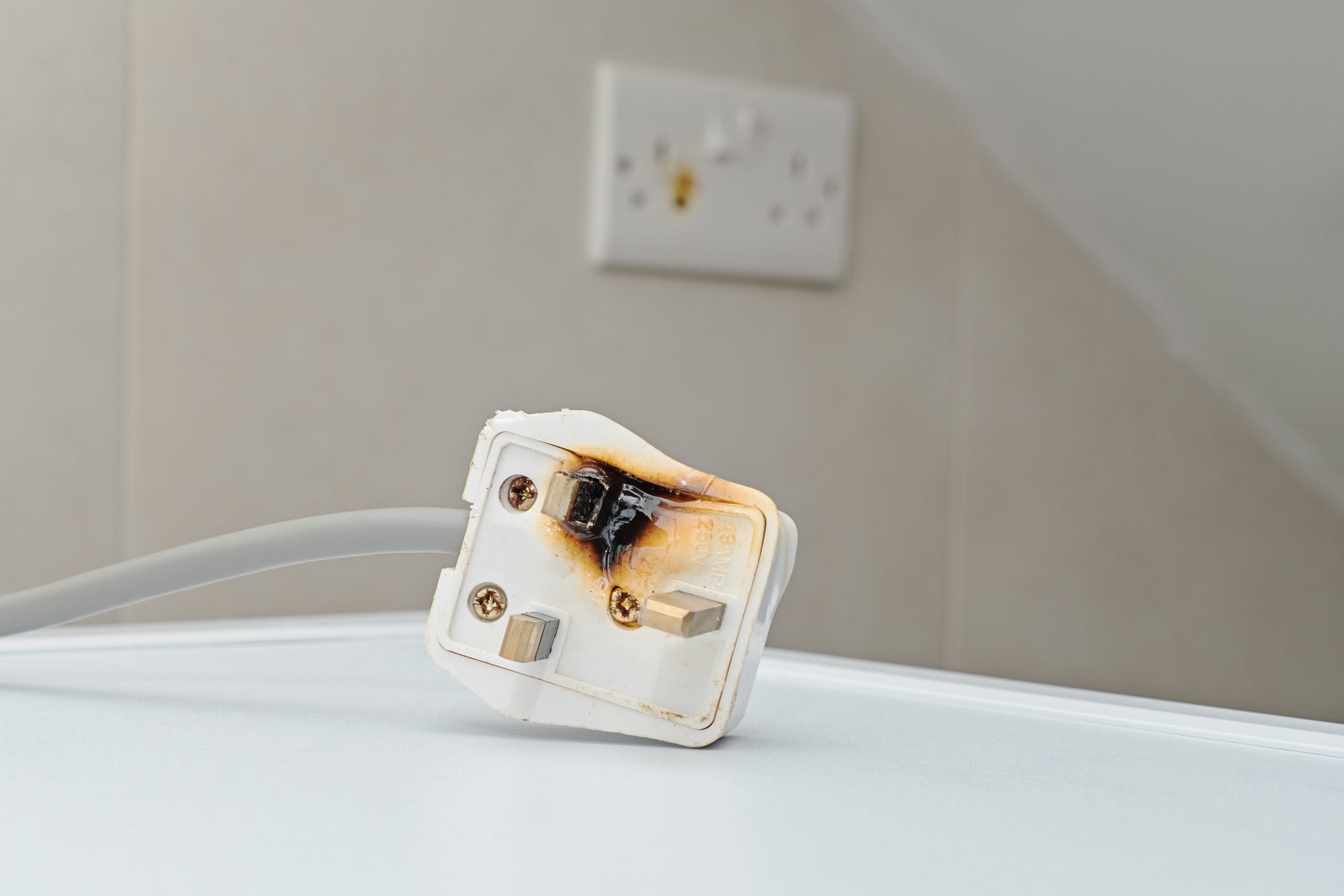
Yes, tenants can pursue a premises liability claim against a landlord who knew about a hazardous condition and failed to repair it within a reasonable time. Common examples include broken staircases, faulty wiring, and inadequate lighting in shared hallways or parking areas. Landlords who ignore documented complaints about dangerous conditions on rental property may be held liable for resulting injuries.
What is the difference between an invitee, a licensee, and a trespasser?
New Hampshire does not treat these labels as automatically deciding what a property owner owed you. Traditionally, an invitee entered for the owner’s business benefit and owed the highest duty of care; a licensee was a social guest and owed a warning of known hazards; and a trespasser received the least protection. New Hampshire courts instead apply a single reasonable care standard to most lawful visitors, though how and why someone entered the property still factors into what reasonable care is required.
Do businesses have to warn customers about wet floors?
Yes, businesses have a duty to warn customers or promptly correct known hazards such as wet floors. When a spill occurs or a floor has just been mopped, a business is expected to post visible warning signs and clean the area within a reasonable time. If a customer is injured before that warning is provided, the business may be liable for failing to meet its duty of care.