
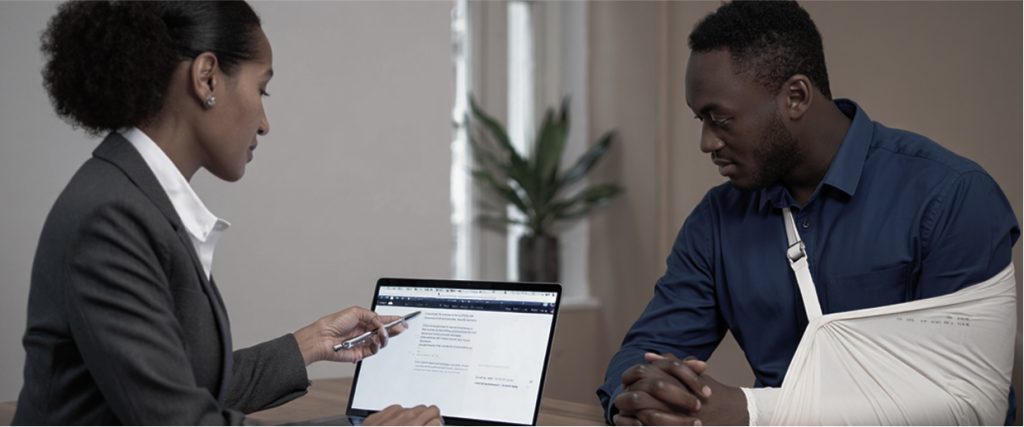





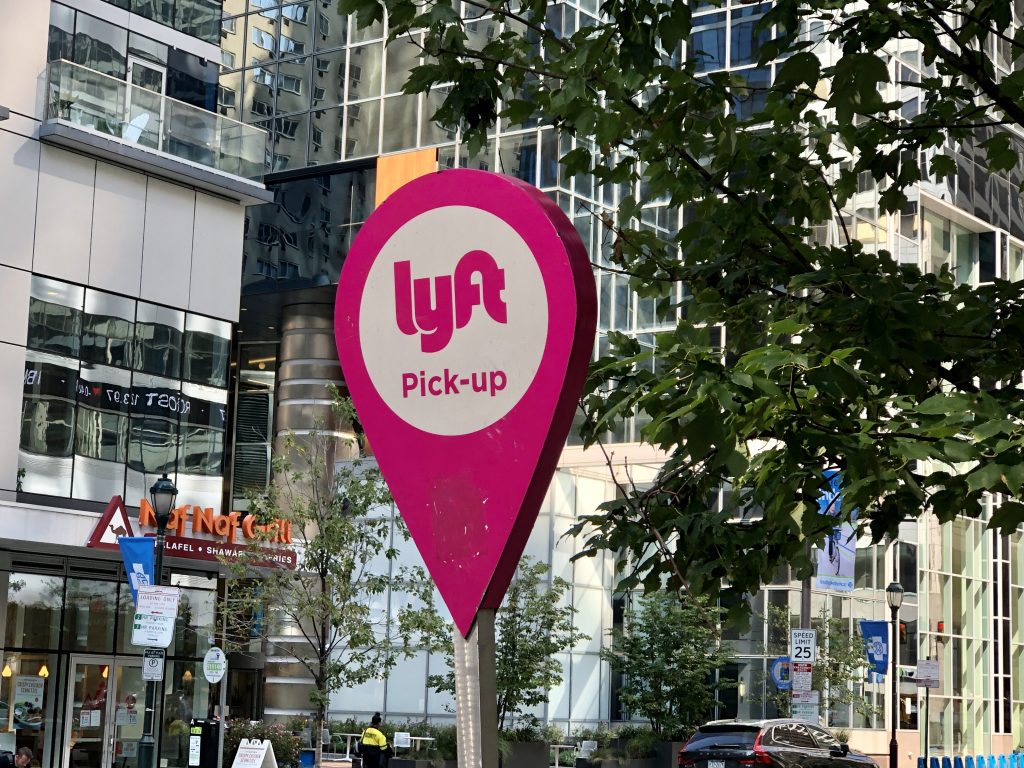
A rideshare accident in Nashua often leaves injured passengers, drivers, and bystanders with more questions than answers. Unlike a standard two-car collision, these cases involve corporate insurance policies, app-based coverage tiers, and questions about who was actually responsible behind the wheel. A Nashua rideshare accident lawyer helps injured people sort through these layers and determine which insurance policy, or policies, should apply to their claim.
At Sweeney Merrigan Personal Injury Lawyers, we understand how confusing this process can feel, especially while someone is still recovering from an injury and trying to manage medical bills and missed work. Our team works to bring clarity to an overwhelming process. With over $500 million recovered for clients and recognition from Best Lawyers in America, we bring that same commitment to every claim we review.
Who May Be Liable in a Nashua Rideshare Accident?
Liability after a rideshare crash is rarely limited to one driver. The rideshare driver, another motorist, a vehicle owner, or even the rideshare company itself may bear some responsibility depending on how the crash occurred. New Hampshire follows a comparative fault standard, meaning more than one party can be held accountable at the same time. Under Chapter 507, Section 7-d of the New Hampshire Revised Statutes, an injured person may recover damages as long as their own fault does not exceed that of the other parties involved, though the award is reduced in proportion to their share of responsibility.
This framework often plays a central role once an insurer begins questioning who was truly at fault, making early legal guidance valuable. Reconstructing the sequence of events, including who had the right of way along corridors like the Everett Turnpike, often shapes how a claim is resolved in Hillsborough County Superior Court.
Drivers, Rideshare Companies, and Other Parties May Share Responsibility
The rideshare driver may be liable for distracted or negligent driving. A third-party driver who caused the crash may also bear responsibility. In some situations, the rideshare company faces scrutiny over its screening, training, or vehicle safety policies. Identifying every liable party early strengthens an injured person’s ability to recover full compensation.
How Insurance Coverage Works in Uber and Lyft Accident Claims
Rideshare insurance does not function like a typical personal auto policy. Coverage depends heavily on what the driver was doing in the app at the time of the crash, and the applicable limits shift accordingly. This layered structure often surprises injured people who assume a single policy will apply from start to finish, only to learn that timing can change how a claim proceeds and which company ultimately bears responsibility. Insurers often review trip logs before accepting a claim.
Coverage Can Depend on the Driver’s Status in the App
When a driver is logged off the app entirely, only personal auto insurance applies, and the rideshare company bears no responsibility for the crash. Once logged on and waiting for a ride request, New Hampshire law requires primary coverage of at least $50,000 per person and $100,000 per incident for bodily injury, along with $25,000 for property damage. Once a driver accepts a fare or is transporting a passenger, coverage requirements rise sharply.
Under Chapter 359-U, Section 8 of the New Hampshire Transportation Network Companies Act, the rideshare company must ensure at least three hundred thousand dollars in liability coverage during this period, and that coverage applies from the first dollar of a claim if the driver’s personal policy has lapsed. Confirming which phase applied is often the first step in building a claim.
Common Injuries Reported in Rideshare Accidents
Rideshare accidents can produce injuries similar to any serious motor vehicle collision, though the parties involved often differ from a standard crash. Passengers seated without full awareness of the road, drivers navigating unfamiliar routes, and people entirely outside the vehicle may all be affected by the same incident.
The severity of these injuries often depends on vehicle speed, point of impact, and whether occupants were properly restrained, with many Nashua patients treated at St. Joseph Hospital.
Injuries Affecting Passengers, Drivers, and Third Parties
Passengers frequently suffer whiplash, head injuries, and fractures from sudden stops or side impacts. Rideshare drivers may sustain similar trauma from long hours behind the wheel and repeated stop-and-go traffic. Occupants of other vehicles, pedestrians, and cyclists struck by a rideshare vehicle often face the most severe outcomes, including traumatic brain injuries and spinal damage that require extended treatment. Recovery often requires months of therapy.
What Challenges Make Rideshare Accident Claims Different?
Rideshare claims involve more moving parts than a typical car accident case. Multiple insurers, overlapping coverage periods, and disputes over which policy applies at the moment of the crash can slow down or complicate a person’s recovery. Insurers may also disagree over whether trip data reflects the driver’s status, and some may attempt to minimize a claim by disputing which policy applies.
Multiple Insurance Policies and Liability Disputes
A single rideshare crash may implicate the driver’s personal insurer, the rideshare company’s commercial policy, and a third-party driver’s insurer all at once. Insurers frequently dispute which policy was in effect, whether the driver was logged on, and how fault should be apportioned under New Hampshire’s comparative negligence framework.
These disputes can delay settlement unless the claim is supported by clear documentation of the driver’s app status, trip data, and the sequence of events leading up to the crash. Coordinating between insurers takes persistence.
What Compensation May Be Available After a Rideshare Accident
Injured individuals may pursue both economic and non-economic damages depending on the severity of their injuries and the parties found responsible.
Medical Costs, Lost Income, and Other Accident-Related Losses
Economic damages may include emergency treatment, ongoing medical care, rehabilitation, and lost wages from missed work. Non-economic damages address pain, emotional distress, and the broader impact an injury has on daily life and relationships. Each claim depends on the specific facts of the crash, the applicable coverage, and the extent of the injuries involved. Under Chapter 508, Section 4 of the New Hampshire Revised Statutes, most personal injury claims must be filed within three years of the crash.
How a Nashua Rideshare Accident Lawyer Can Help
Sorting through multiple insurance policies and disputed liability takes careful investigation and a clear understanding of New Hampshire law. We review app data, driver status, and applicable coverage limits to determine which policy should respond to a claim. Our team, guided by the litigation experience of Hon. Thomas T. Merrigan (Ret.), gathers medical records, crash reports, and witness statements to build a complete picture of what happened and who should be held accountable, while keeping clients informed and supported at every stage of the process.
Understand Your Options After an Uber or Lyft Accident
A rideshare accident can leave lasting physical, financial, and emotional strain, particularly when multiple insurers and parties are involved in the same claim. At Sweeney Merrigan Personal Injury Lawyers, we help injured people in Nashua understand which coverage applies to their situation and what steps they may take to protect their right to compensation.
To discuss a recent rideshare accident and learn more about working with a Nashua rideshare accident lawyer, call (617) 391-9001 today for a confidential consultation.