







When something you rely on every day suddenly fails and causes harm, it often leaves more than just a physical injury behind. It can disrupt your routine, raise safety concerns, and create uncertainty about what went wrong. Everyday products, from simple household items to complex medical devices, are expected to function safely without putting you at risk. When that trust is broken, it raises important questions about how the product was designed, made, and brought to market. Working with a Lawrence product liability lawyer can help clarify those questions and outline the options available under Massachusetts law.
At Sweeney Merrigan Personal Injury Lawyers, we take a thoughtful, thorough approach to these cases because we understand how much is at stake for the people involved.
Holding Manufacturers Accountable For Defective Products In Lawrence
Before any product reaches store shelves, multiple parties are responsible for making sure it is safe to use. Manufacturers, distributors, and sellers all play a role in that process. When something slips through and causes harm, the burden should not fall on the person who used the product as intended.
In many cases, figuring out what happened means looking closely at where things went off track. Sometimes the issue starts with the design itself. Other times, something goes wrong during production, or important warnings are never clearly communicated. Each situation calls for a closer look at how the product was supposed to work compared to what actually happened.
We focus on understanding the full story behind the product, including its development, testing, and market launch. That includes asking whether known risks were addressed or ignored along the way. Looking at those details helps build a clearer picture of responsibility and how the failure affected the person using the product.
It is also common to examine internal decisions made before the product was released. Whether safer alternatives were available or whether warning labels changed over time can reveal a lot about how risks were handled. These are often the kinds of details that shape how a case moves forward.
In some situations, patterns emerge indicating that similar issues had been reported before the incident. When prior complaints or recalls exist, they can provide important context about what the company knew and how it responded. These details often strengthen the overall understanding of accountability.
What Is Product Liability Under Massachusetts Law?
Product liability is the legal concept that allows individuals to hold companies responsible when unsafe products cause harm. In Massachusetts, these claims are often based on breach-of-warranty principles rather than the strict liability language used elsewhere. While the terminology differs, the purpose remains the same, ensuring that products meet reasonable expectations for safety.
According to the Massachusetts General Laws Chapter 106, Section 2 314 (M.G.L. c.106 §2-314), products must be fit for their ordinary use and reasonably safe when used as intended. When a product falls short of that standard, and someone is hurt as a result, there may be grounds for a claim.
Looking at how this applies in real life goes beyond simply reading the law. It often comes down to the details, how the product was used, what condition it was in, and what the manufacturer led people to expect. Even things like packaging instructions or marketing language can shape whether those expectations were reasonable in the first place.
Defective Design, Manufacturing Defects, And Failure To Warn
Most product liability claims fall into one of three categories, each tied to a different stage in how a product is created and used:
- Design Defects: Problems built into the product from the start. Even when made correctly, the product may still be unsafe because of its design, often raising questions about whether a safer alternative was available.
- Manufacturing Defects: Issues that occur during production. A product that should have been safe can become dangerous due to errors in assembly, materials, or quality control, typically affecting specific units rather than the entire product line.
- Failure to Warn: Missing or unclear instructions or safety warnings. Even a properly designed product can create risk when users are not adequately informed about how to use it or what dangers to watch for.
In practice, these categories can overlap, which is why a careful, case-specific review is so important. Understanding how these defects interact can help clarify not only what went wrong but also how responsibility may be shared among different parties.
Injuries Commonly Caused By Dangerous Or Defective Products
Injuries linked to defective products can vary widely, depending on the type of product and the manner of failure. Some incidents cause short-term harm, while others have long-lasting effects that change daily life.
Consumer Products, Industrial Equipment, And Medical Devices
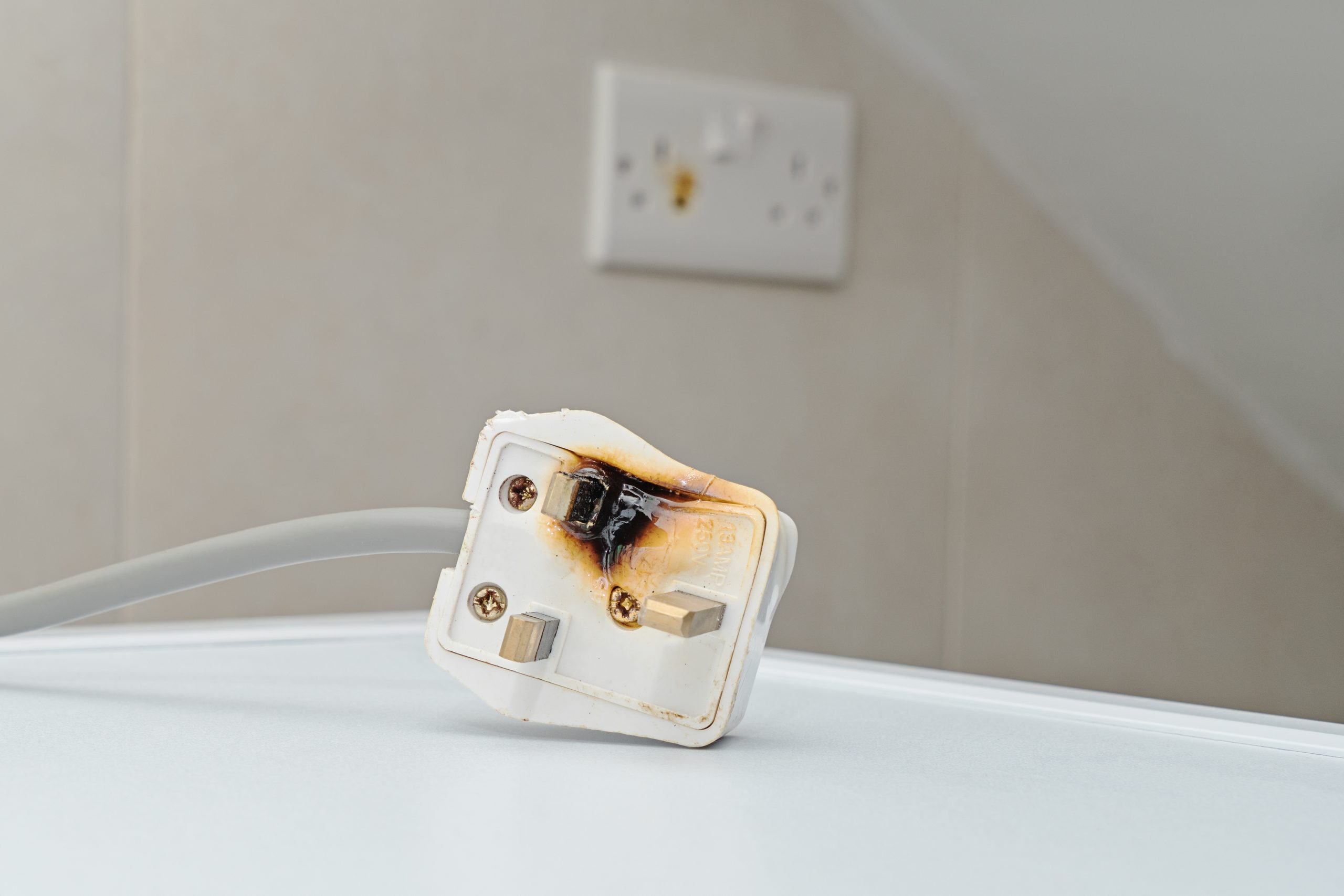
Household and consumer products can cause burns, cuts, or electrical injuries when something goes wrong. Because these items are used regularly, even a small defect can have a significant impact.
Industrial equipment often involves higher risks, especially in workplace settings. Mechanical failures or unsafe components can lead to serious injuries, and these cases may involve multiple companies connected to the product.
Medical devices add another layer of complexity. When something fails inside the body or during a medical procedure, the consequences can be severe. These situations often require close collaboration with medical professionals to understand what happened and what comes next.
No matter the type of product, documenting what occurred and preserving the item itself can make a meaningful difference in how a claim is evaluated. Photographs, receipts, and medical records can all help create a clearer timeline of events and support a more complete understanding of the situation.
Proving Negligence And Liability In A Product Liability Case
A successful product liability claim depends on more than showing that a product failed. It requires connecting that failure to the injury and identifying who is legally responsible. This process takes careful, detailed work.
In many situations, responsibility does not fall on a single company. Manufacturers, parts suppliers, and distributors may each play a role depending on how the product was designed, assembled, and sold. Looking at timelines, prior issues, and how the product moved through the market can help clarify where breakdowns occurred and how liability may be shared.
Establishing Fault Through Investigation And Expert Analysis
Cases like these often begin with a close examination of the product. That can include reviewing design plans, production records, and any available testing information. In many situations, outside professionals are needed to fully understand what went wrong.
Expert testimony is often a key part of the process. Engineers can explain how a defect created a safety risk, while medical professionals can describe how that issue led to a specific injury. Their insight helps make complex information easier to understand.
This kind of investigation is especially important because the cause of an injury is not always obvious. A well-supported case relies on clear, credible evidence that directly links the defect to the harm experienced. Taking the time to build that foundation can make a significant difference in how a claim is evaluated and presented.
Compensation Available In Lawrence Product Liability Claims
An injury caused by a defective product often affects more than just immediate medical needs. It can impact finances, work, and overall quality of life. Massachusetts law allows individuals to pursue compensation that reflects those broader effects.
Medical Costs, Lost Income, And Pain And Suffering
Economic damages cover the financial side of a claim. This can include medical bills, ongoing treatment, rehabilitation, and lost income. In some cases, long-term limitations may also affect future earning ability.
Non-economic damages focus on the personal impact. Pain, emotional distress, and changes to daily life all fall into this category. While these losses are not tied to a bill, they are still an important part of the overall picture.
According to the Massachusetts Superior Court Model Civil Jury Instructions on Personal Injury Damages, both types of harm are considered when evaluating compensation. This helps ensure that claims reflect the full experience, not just the financial side. Considering both aspects allows for a more accurate picture of how the injury has affected day-to-day life over time.
Speak With A Lawrence Product Liability Lawyer Today
Every defective product case comes with its own set of facts and challenges. Having a clear understanding of what happened and what options exist can make the process feel more manageable. Taking the time to sort through those details early on often helps reduce uncertainty as the case progresses.
Schedule A Free Consultation With Sweeney Merrigan
Moving forward after an injury caused by a defective product often starts with getting a clear, honest picture of what happened and what comes next. Working with a Lawrence product liability lawyer can help clarify that process and give you a more confident sense of how to move forward.
At Sweeney Merrigan Personal Injury Lawyers, we take the time to listen, understand your situation, and walk you through your options in a way that feels straightforward, practical, and grounded. To learn more, call today at (617) 391-9001.