The Role of a Police Report in an Accident Claim

Sweeney Merrigan Personal Injury Lawyers is proud to serve Boston and communities across Massachusetts with dedicated, client-first representation. After a serious accident, one of the first steps police take is to create an official accident report. While many victims know this document exists, they may not realize just how important it can be in a personal injury claim.
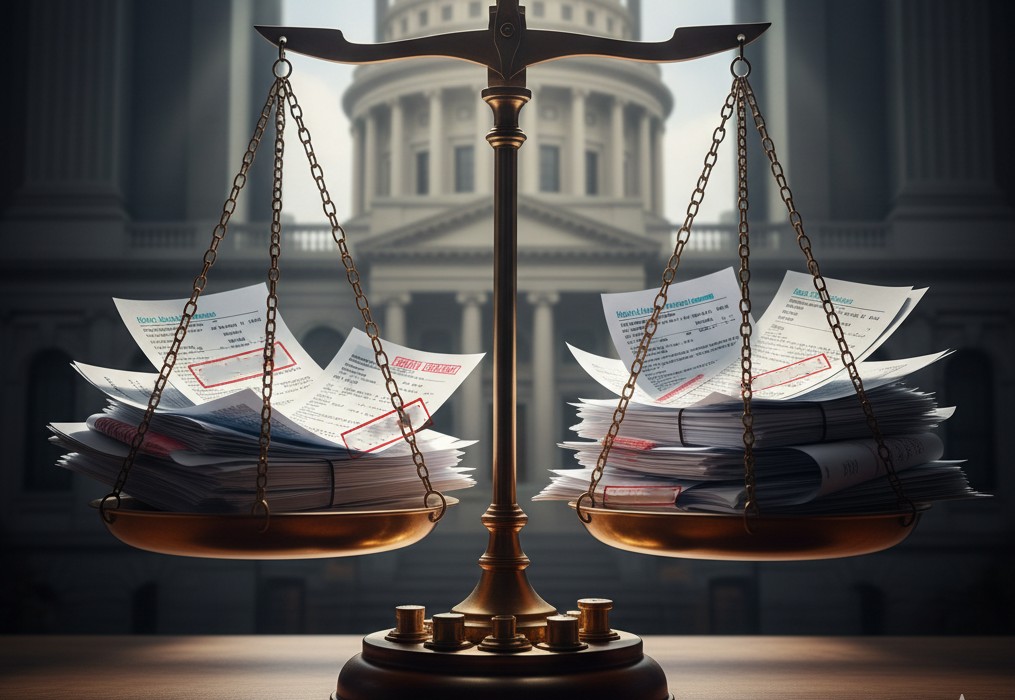
Police reports do not decide liability on their own, but they often provide a foundation for building a strong case — and insurers frequently use them during settlement negotiations.
What Information Is in a Police Report?
Police reports vary depending on the responding agency, but in Massachusetts they typically include:
- Date, time, and location of the accident
- Names and contact details of all parties involved
- Insurance information
- Officer’s observations at the scene
- Statements from drivers, passengers, or witnesses
- Diagrams of the crash site
- Citations or violations issued
This information can help establish what happened and provide leads for further investigation.
How Police Reports Support Personal Injury Claims
Although a police report is generally not admissible as direct evidence at trial, it plays an important role in the claims process. Reports can:
- Guide insurance negotiations by showing initial fault assessments.
- Identify witnesses whose statements can be critical later.
- Document conditions at the scene, such as weather, traffic signals, or road hazards.
- Support medical claims by linking injuries to the time and place of the accident.
For victims injured on the Mass Pike, I-93, or in city streets across Boston neighborhoods like Dorchester and South Boston, these reports can be invaluable.
Limitations of Police Reports
It’s important to remember that police reports are not the final word on liability:
- Officers may make mistakes or overlook details.
- Initial assessments may differ from what evidence later proves.
- Insurance companies may try to use the report selectively to minimize payouts.
This is why having experienced legal counsel is so important — to ensure the report is used appropriately but not treated as the only piece of evidence.
Evidence Beyond the Police Report
At Sweeney Merrigan, we know that strong cases require more than just the accident report. We combine it with:
- Medical records documenting injuries
- Accident reconstruction experts who analyze the crash
- Surveillance or dashcam footage
- Eyewitness statements
- Vehicle black box data from trucks or newer cars
Together, this creates a comprehensive picture of what truly happened.
Injured in an accident? Call Sweeney Merrigan Personal Injury Lawyers in Boston today for your free consultation.
Why Legal Representation Matters
Insurance adjusters often rely heavily on police reports when evaluating claims. Without legal guidance, victims may be unfairly blamed or pressured into low settlements based on incomplete information.
At Sweeney Merrigan Personal Injury Lawyers, we have decades of combined experience handling car accidents, truck accidents, pedestrian injuries, and wrongful death claims across Massachusetts. We know how to use reports strategically — highlighting their strengths while supplementing with additional evidence.
You don’t have to face insurers alone. Let Sweeney Merrigan fight for the justice and compensation you deserve.
Taking the Next Step
If you’ve been involved in an accident in Boston or anywhere in Massachusetts, obtaining and understanding the police report is a critical step in your recovery. Whether your crash occurred on Storrow Drive, Route 1, or a neighborhood intersection in Cambridge, our attorneys can help you secure the report, evaluate its details, and build a strong claim for compensation.
No matter where you are in your recovery, the right support makes all the difference. Call Sweeney Merrigan Personal Injury Lawyers today for your free consultation — and take your next step toward justice and recovery.