







Sweeney Merrigan has represented injured tenants and visitors across Massachusetts for decades, and the consequences of an unsafe rental property can be life-altering. A fall down a broken staircase, an assault in a poorly lit parking lot, or a slip on a wet lobby floor can result in fractures, brain injuries, and months of lost income.
If you were hurt at an apartment complex in Springfield, a Springfield apartment injury lawyer can help you understand what happened, who may be responsible, and what your options are under Massachusetts law. The firm has recovered over $500 million for injured clients across the state, and it brings that same commitment, preparation, and tenacious advocacy to every premises liability case it handles.
How Unsafe Apartment Conditions May Lead to Serious Injuries
Apartment complexes in Springfield range from large multi-unit buildings along State Street to smaller residential properties throughout the Forest Park and North End neighborhoods. Regardless of size, every rental property in Massachusetts carries a legal obligation to maintain safe conditions for tenants, guests, and invited visitors. When landlords and property managers allow hazardous conditions to persist, the people who live and visit there bear the consequences, often through no fault of their own.
A landlord or property owner may be held liable for injuries caused by unsafe conditions on their property when they knew or should have known about the hazard and failed to take reasonable steps to address it. Under Massachusetts law, negligence forms the legal foundation of most apartment injury claims. A property owner who ignores a broken railing, fails to repair water damage, or allows a security system to deteriorate may have breached the duty of care owed to anyone lawfully present on the property.
The injuries that result from these failures are rarely minor. A single fall in a Springfield apartment building can send a tenant to Baystate Medical Center with a fractured hip or a traumatic brain injury requiring months of rehabilitation. The medical costs accumulate quickly, and many injured tenants cannot return to work during recovery. Understanding how a dangerous condition led to a serious injury is the first step in pursuing a claim.
Common Causes of Apartment Complex Accidents in Springfield
Apartment injury cases in Springfield involve a wide range of hazardous conditions. Some develop gradually due to deferred maintenance, while others reflect a landlord’s deliberate decision to cut costs at the expense of tenant safety. The specific cause matters because it directly shapes who may be held responsible and what evidence will be needed to support the claim.
Poor Maintenance, Negligent Security, and Unsafe Property Conditions
The following conditions are among the most common sources of serious injury at rental properties in Springfield:
- Unsafe Stairs and Broken Railings: Cracked steps, missing handrails, and uneven surfaces on interior and exterior staircases account for a significant share of fall injuries at Springfield apartment buildings.
- Poor or Inadequate Lighting: Dim or non-functional lighting in hallways, stairwells, parking lots, and entryways creates conditions where falls and criminal incidents are far more likely to occur.
- Wet or Slippery Floors: Leaking pipes, unaddressed spills, and improperly maintained common areas can leave flooring surfaces dangerous for anyone passing through.
- Negligent Security: Broken entry locks, non-functioning security cameras, and inadequate access controls can expose tenants to criminal activity. When a property owner fails to address known security risks, injuries resulting from those incidents may give rise to a legal claim.
- Defective Locks and Entry Points: Malfunctioning door locks on unit entrances or building access points put tenants at risk and may constitute a breach of the landlord’s duty to maintain habitable, secure premises.
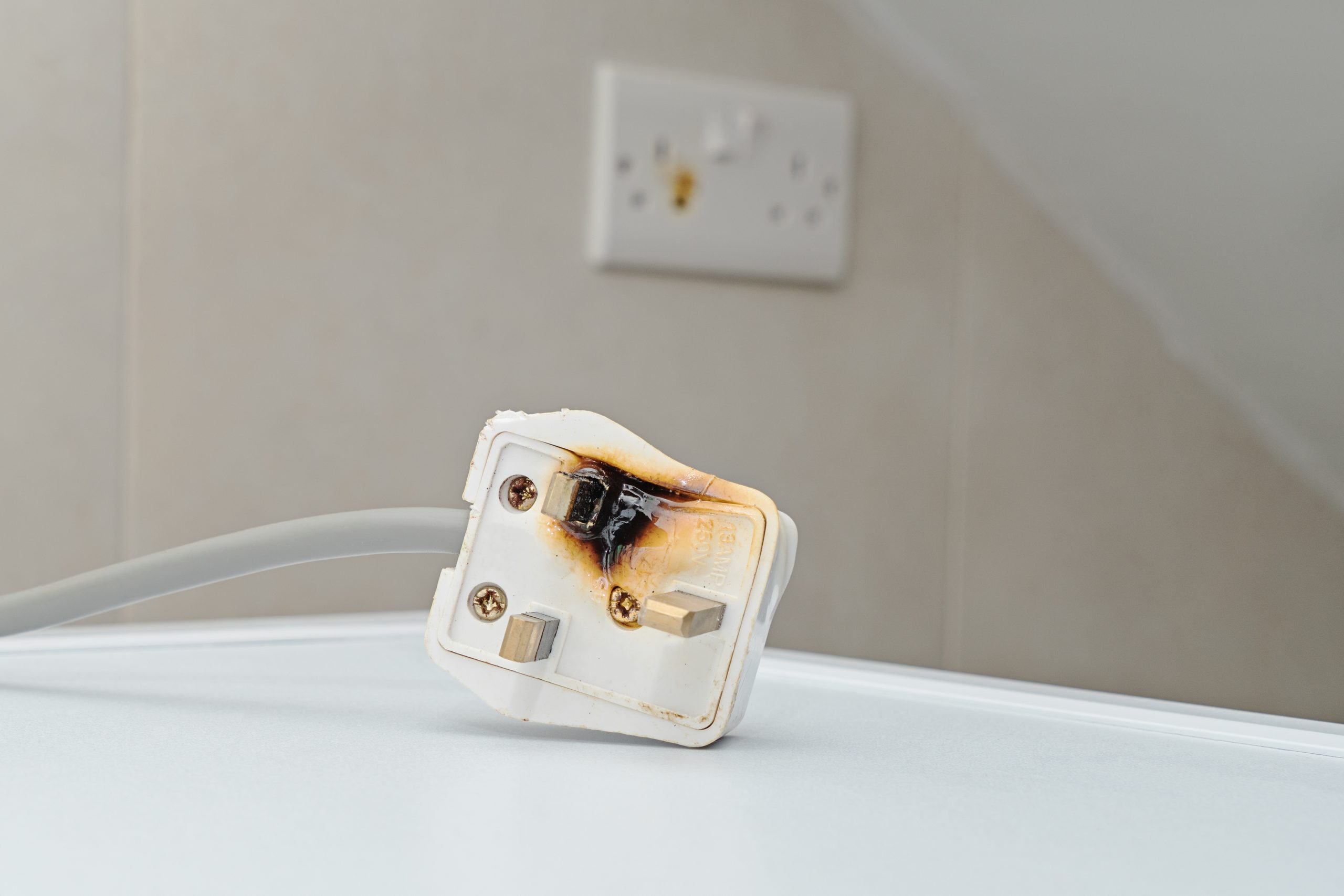
- Fire Hazards: Faulty wiring, blocked fire exits, missing smoke detectors, and improperly stored flammable materials are all documented causes of serious injury in residential apartment buildings.
- Inadequate Maintenance of Common Areas: Parking lots with uneven pavement, broken curbing, or uncleared ice during Massachusetts winters present hazards that responsible property managers are expected to address promptly.
M.G.L. c. 186, § 19 establishes protections for tenants when a landlord’s failure to maintain habitable conditions results in harm. When any of the conditions above contribute to an injury, the question of legal responsibility depends on what the property owner knew, when they knew it, and what steps, if any, they took in response.
Who May Be Liable for an Apartment Complex Injury?
Liability in apartment complex injury cases is rarely limited to a single party. Depending on how the property is owned and managed, several parties may share responsibility for the unsafe conditions that caused the injury. Springfield has a large and varied rental housing market, and the chain of responsibility at any given property can involve ownership groups, third-party managers, contractors, and security vendors.
Landlords, Property Managers, and Third-Party Responsibility
In Springfield, many apartment complexes are owned by investors or corporations and managed day to day by separate property management companies. That separation can create confusion about who is obligated to address a specific hazard. In practice, more than one party may bear legal responsibility, and a thorough investigation is often required to fully understand the situation before a claim moves forward.
- Landlords: As the property owner, a landlord generally holds the primary duty to maintain safe conditions throughout the building, including common areas, structural elements, and building systems.
- Property Management Companies: A management company hired to oversee the property may share liability if it was aware of a dangerous condition and failed to act, or if its negligent maintenance practices created the hazard in the first place.
- Maintenance Contractors: Third-party contractors hired to perform repairs, landscaping, or building upgrades may bear responsibility if their work was performed negligently or created a new hazard on the property.
- Security Companies: When a property contracts with a third-party security provider, that company may face liability if its failure to perform contractual duties contributed to a criminal incident or assault on the premises.
Massachusetts applies a modified comparative negligence standard under M.G.L. c. 231, § 85, which means an injured person may still recover compensation even if they bear some degree of responsibility for the incident, provided their share of fault does not exceed 50%. Identifying all responsible parties from the outset is critical to realizing the full value of a claim and avoiding gaps that insurers will use to limit recovery.
Common Injuries in Apartment Complex Accident Cases
The physical consequences of apartment complex accidents in Springfield vary widely, but many result in injuries serious enough to require hospitalization, surgery, or long-term care. Some injuries resolve in weeks with proper treatment. Others produce lasting limitations that affect a person’s ability to work, care for their family, and live independently.
Slip and Falls, Stairway Accidents, and Negligent Security Injuries
- Fractures and Broken Bones: Falls on hard surfaces, including concrete stairwells, tile lobbies, and icy parking lots, frequently cause fractures to the wrist, hip, ankle, and spine. Hip fractures in particular can require surgery and extended rehabilitation, and older tenants may face serious complications during recovery.
- Traumatic Brain Injuries: A blow to the head during a fall or an assault can result in a traumatic brain injury with lasting effects on memory, cognition, and physical function. According to the Mayo Clinic, traumatic brain injuries range from mild concussions to severe injuries involving extended unconsciousness and permanent neurological damage.
- Spinal Cord Injuries: Falls from significant heights or high-impact collisions on stairways can damage the spinal cord, potentially causing partial or complete loss of mobility. These injuries are among the most catastrophic outcomes of apartment complex accidents and often require lifelong medical support.
- Soft Tissue Injuries: Torn ligaments, muscle strains, and tendon injuries are common outcomes of slips and falls and can result in chronic pain and limited range of motion that affects daily life for months or years.
- Injuries From Negligent Security Incidents: Assaults, robberies, and other criminal incidents at apartment complexes can cause severe physical and psychological injuries. When inadequate security measures contributed to the incident, the property owner may bear civil liability for those injuries.
Our attorneys have secured a $10 million result in a motor vehicle collision involving traumatic brain injury and a $1.675 million result in a premises liability case involving traumatic brain injury, which reflects the firm’s experience handling the most serious injury claims that arise from these situations.
What to Do After an Injury at an Apartment Complex
The steps taken in the immediate aftermath of a Springfield apartment injury can directly affect the outcome of a legal claim. Evidence disappears quickly in these cases. Landlords may repair the hazard within days. Surveillance footage is routinely overwritten. Witnesses move on. Taking the right steps early gives an attorney the foundation needed to build a compelling, well-documented, and credible case.
Steps That May Help Preserve Evidence and Protect Your Claim
- Seek Medical Attention Immediately: Even if symptoms seem manageable, prompt medical evaluation creates a record linking the injury to the incident. Delayed treatment gives insurers grounds to argue the injury was not serious or not connected to the accident.
- Report the Incident to the Property Manager: Notify the landlord or management company in writing as soon as possible. A written incident report establishes that the property owner had documented notice of the event and the conditions that caused it.
- Photograph the Hazard Before It Is Repaired: Document the dangerous condition from multiple angles. Landlords frequently make repairs immediately after an incident, which can eliminate critical evidence of the negligence that caused the injury.
- Collect Witness Information: Speak with neighbors, building staff, or other bystanders who witnessed the incident or who are aware of how long the dangerous condition existed. Their accounts can be valuable at every stage of a claim.
- Preserve All Medical Records and Expense Documentation: Keep every bill, discharge summary, prescription receipt, and correspondence from healthcare providers. These documents directly support the damages portion of a claim.
- Contact an Attorney Before Speaking With Insurance Adjusters: Insurance representatives for the property owner or management company may contact injured parties quickly and attempt to obtain recorded statements. Speaking with an attorney before those conversations is strongly advisable.
Under M.G.L. c. 260, § 2A, injured parties in Massachusetts generally have three years from the date of injury to file a personal injury claim. Acting promptly preserves the evidence needed to meet that standard.
How Evidence May Help Prove Apartment Owner Negligence
Establishing that a property owner was negligent requires more than describing the injury. The claim must show that a dangerous condition existed, that the owner knew or should have known of it, and that the owner’s failure to act caused the injury. Evidence is the foundation of that argument, and the types of documentation most relevant to apartment complex cases are specific and time-sensitive.
Incident Reports, Surveillance Footage, and Maintenance Records
- Incident Reports: A written report filed with the landlord or property manager at the time of the injury provides documented proof of the date, location, and circumstances of the accident. It also establishes that the property was on notice of the event.
- Surveillance Footage: Many Springfield apartment complexes maintain cameras in common areas, lobbies, and parking lots. Footage capturing the incident itself or showing the hazardous condition in the hours or days before the injury can be decisive evidence.
- Maintenance Records: Prior complaints about a broken staircase, a leaking pipe, or a malfunctioning lock, documented in the property’s own maintenance logs, can demonstrate that the owner had notice of the problem and chose not to address it.
- Prior Incident History: Records of earlier accidents or complaints at the same property establish a pattern of negligence and may support a stronger damages argument.
- Expert Testimony: In more complex cases, engineers, building code specialists, or security consultants may be needed to explain why a condition was dangerous and how it fell below the applicable standard of care.
Gathering this evidence requires moving quickly, acting strategically, and knowing exactly where to look. An experienced premises liability attorney can issue preservation demands, request records through formal discovery, and retain experts before critical evidence is lost or destroyed.
What Compensation May Be Available After an Apartment Injury
A successful apartment injury claim in Massachusetts may result in compensation for both the financial costs of the injury and its broader impact on the injured person’s life. The categories of recoverable damages in these cases are defined by Massachusetts personal injury law and reflect the full range of harm caused by serious injury.
Medical Expenses, Lost Income, and Pain and Suffering
- Medical Expenses: Compensation may cover emergency room treatment, surgery, hospitalization, physical therapy, prescription medications, medical equipment, and any future care reasonably expected as a result of the injury.
- Lost Income: If the injury prevented the person from working during recovery, those lost wages are recoverable. For injuries that affect long-term earning capacity, compensation may also account for future income losses.
- Pain and Suffering: Massachusetts law allows injured parties to seek compensation for physical pain, emotional distress, and the loss of enjoyment of life caused by the injury and its lasting effects.
- Disability and Disfigurement: Injuries resulting in permanent physical limitations or visible scarring carry additional compensable value under Massachusetts personal injury law.
- Out-of-Pocket Expenses: Transportation to medical appointments, home modification costs, and other expenses directly tied to the injury may also be recoverable.
The total value of a claim depends on the severity of the injury, the strength of the evidence, the number of liable parties, and the insurance coverage available. An experienced attorney can assess those factors, identify which parties carry available insurance coverage, and develop a clear strategy to pursue the full compensation the injury warrants.
How a Springfield Apartment Injury Lawyer Can Help
Premises liability cases involving apartment complexes are not straightforward. Property owners carry insurance, and those insurers employ adjusters and defense attorneys whose primary goal is to limit or eliminate any payout. Injured tenants and visitors who navigate that process without legal representation are at a significant disadvantage.
Investigating Unsafe Conditions and Negotiating With Insurance Companies
A premises liability attorney can conduct an independent investigation of the apartment complex, gather and preserve evidence before it is lost, and identify every party whose negligence contributed to the injury. That includes reviewing maintenance records, interviewing witnesses, inspecting the property, and retaining experts when the evidence requires a deeper technical analysis of what went wrong and why.
On the negotiation side, an attorney who has handled these cases understands the tactics insurers use to minimize claims in Massachusetts. Independent medical examinations, requests for recorded statements, and early low-value settlement offers are all common strategies. Knowing how to respond, when to push back, and when the evidence supports taking a case to trial is what separates effective representation from inadequate counsel. That willingness to litigate is often what produces better settlements in the first place.
For Springfield residents, having local legal representation with a track record of serious premises liability matters. The attorneys at this firm know how Massachusetts courts evaluate these claims, what juries in the Commonwealth expect, and how to build the kind of record that produces meaningful outcomes for injured clients.
Why Injured Tenants and Visitors Choose Sweeney Merrigan
Sweeney Merrigan has built its reputation on results and how it treats every client. Over $500 million recovered across all practice areas. Recognition from Best Lawyers in America. Hon. Thomas T. Merrigan (Ret.), a former judge named Trial Judge of the Year, is a named partner at the firm. These credentials reflect decades of serious legal work on behalf of injured Massachusetts residents, and they matter in premises liability cases where the opposing side is well-resourced and prepared to challenge every aspect of the claim.
In premises liability specifically, the firm has secured a $1.675 million result in a traumatic brain injury case involving a property fall and a $1.65 million verdict in a separate premises liability matter involving permanent injury. Those outcomes reflect what is possible when a case is built carefully, the evidence is preserved from the start, and the attorneys handling the matter are prepared to take it as far as necessary to achieve a fair result.
Clients who have worked with the firm describe an experience defined by consistent communication, honest guidance, and attorneys who treat them like family rather than case numbers. That combination of results and genuine client care is why injured tenants and visitors across Springfield and Massachusetts continue to choose this firm when the stakes are highest, and the path forward is uncertain.
Speak With a Springfield Apartment Injury Lawyer Today
If you or someone you know was hurt at a Springfield apartment complex, the time to act is now. Evidence fades, witnesses become difficult to locate, and Massachusetts law sets strict deadlines for filing a claim. Sweeney Merrigan is ready to review what happened, explain your options, and fight for the compensation you deserve.
There are no upfront costs to speak with the firm, and no fees unless compensation is recovered. Contact a Springfield apartment injury lawyer today by calling (617) 391-9001.