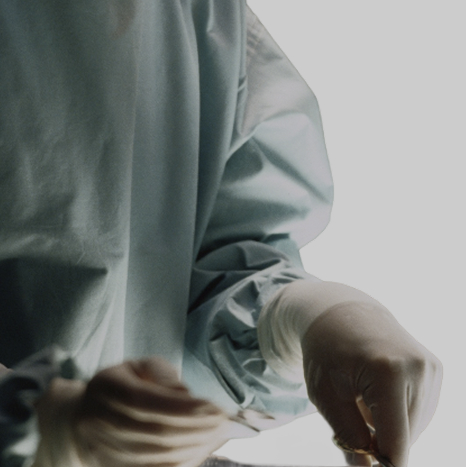







A surgical mistake can occur before a patient ever reaches the operating table, during the procedure itself, or in the days that follow, and any one of these stages can leave a patient at Baystate Medical Center, Mercy Medical Center, or another Springfield facility facing serious, sometimes permanent harm. Families need clear answers about what went wrong. Working with a Springfield surgical errors lawyer helps patients understand whether a procedure fell below the accepted standard of care and what legal options may be available.
At Sweeney Merrigan Personal Injury Lawyers, a firm that has recovered more than $500 million for injured clients, we help patients across Springfield examine what happened in the operating room and pursue accountability under Massachusetts law.
When a Surgical Error May Lead to a Medical Malpractice Claim
Surgery carries inherent risk even when every step is performed correctly. Bleeding, infection, and slow healing can occur despite a surgical team doing everything right. A medical malpractice claim becomes relevant only when a patient’s harm results from care that fell below what a reasonably skilled surgeon would have provided under similar circumstances, not from the ordinary risks of the procedure itself.
Not Every Poor Outcome Is Medical Negligence
A difficult recovery or an unexpected complication does not automatically mean negligence occurred. Massachusetts courts recognize that physicians do not guarantee a particular result, and a bad outcome standing alone is not proof of a breach of the standard of care. What matters is whether the surgeon’s actions, or a hospital staff member’s actions, departed from what other qualified professionals would have done in the same situation, as outlined in the Massachusetts Superior Court model jury instructions on medical malpractice. Patients considering a claim should also know that Massachusetts General Laws Chapter 260, Section 4 generally requires a malpractice action to be filed within three years of discovery, with a seven-year outer limit in most circumstances.
Common Types of Surgical Errors That Harm Patients
Surgical errors take many forms, and some cause more catastrophic harm than others. Wrong-site surgery, in which a procedure is performed on the wrong body part or on the wrong patient altogether, is widely recognized as a never event because it should not occur under any reasonable standard of care, a classification reflected in guidance from the Agency for Healthcare Research and Quality. Retained surgical instruments present another serious risk, occurring when sponges, clamps, or other tools are left inside a patient after closure, sometimes causing infection that is not discovered for months. Massachusetts treats these cases as especially serious, since the standard filing deadline does not apply the same way when a foreign object is left in the body.
Anesthesia mistakes, including improper dosing or delayed monitoring, can result in oxygen deprivation, cardiac complications, or worse. Preventable infections often stem from unsterile instruments or poor post-operative wound care. Nerve damage may occur when a surgeon operates too close to sensitive tissue, leading to numbness, chronic pain, or loss of function that can persist long after the incision has healed.
Communication failures among surgeons, anesthesiologists, and nursing staff frequently underlie many of these mistakes. A missed handoff between shifts, an unclear chart notation, or a skipped verification step can set the stage for harm before the first incision is ever made.
How Surgical Mistakes Can Cause Long-Term Complications
The consequences of a surgical error rarely end when the operation does. A single mistake can set off a chain of medical setbacks that follow a patient for months or years, disrupting recovery, employment, and daily life in ways that are not always visible from the outside.
Additional Procedures, Infections, and Permanent Injuries
Patients harmed by a surgical error often require additional operations to correct the original mistake, extending recovery and increasing the physical toll of treatment. Infections introduced during a botched procedure can spread and require aggressive antibiotic therapy or further surgery. Some patients are left with permanent nerve damage, chronic pain, or a loss of function that limits their ability to work or care for themselves, along with real emotional distress and a diminished sense of trust in the healthcare system.
These consequences often translate into recoverable damages, including medical expenses, lost income, and compensation for pain and suffering tied directly to the extent of the harm.
What Evidence May Help Prove a Surgical Error Case
Building a strong surgical error claim depends on gathering detailed, reliable evidence connecting the harm to a specific departure from the standard of care. Operative reports document what was supposed to happen during the procedure and can reveal inconsistencies with what actually occurred. Complete medical records, including pre-operative notes, post-operative charting, and follow-up visits, help establish a timeline of the patient’s condition before and after surgery.
Independent expert review is often essential, since a qualified physician must evaluate whether the care provided met the accepted standard, given the procedure and the patient’s condition at the time. Imaging studies, such as X-rays or CT scans, can confirm a retained object or reveal internal injuries tied to the procedure. Hospital documentation, including staffing records and incident reports, may further clarify whether communication breakdowns contributed to the error.
How a Springfield Surgical Errors Lawyer Can Help
Investigating a surgical error case requires more than reviewing a chart. A Springfield surgical errors lawyer can help identify which parties may share responsibility, whether the surgeon, an anesthesiologist, a nurse, or the hospital itself, and can coordinate with medical experts to evaluate whether the standard of care was met. Claims filed in Hampden County typically proceed through the same tribunal screening process required across Massachusetts, making early preparation especially important.
Our firm has built a reputation on this kind of preparation, with recognition from Best Lawyers in America and the guidance of named partner Hon. Thomas T. Merrigan (Ret.), a former trial judge. Our team keeps clients informed at every step, from the review of medical records through negotiation or litigation, presenting a clear, well-supported account so the full scope of a patient’s harm is properly recognized.
Discuss Your Legal Options With Sweeney Merrigan
A surgical error can change a patient’s life in a single procedure, and understanding what happened is the first step toward accountability. If you or a family member suffered harm during surgery in Springfield, our team at Sweeney Merrigan Personal Injury Lawyers can review the medical records, consult with experts, and explain the options available under Massachusetts law. We take the time to listen and walk you through each stage with clarity and care.
To discuss your case with a Springfield surgical errors lawyer, call (617) 391-9001 today for a confidential consultation.