







An apartment complex is supposed to feel safe, not become the source of a serious injury. Across Worcester, tenants, visitors, and guests are hurt every year in stairwells, parking lots, hallways, and elevators because a property owner or management company failed to correct a known hazard. When that happens, the resulting injury often leads to medical bills, lost income, and real uncertainty about who is responsible. A Worcester apartment injury lawyer helps injured tenants and visitors understand their rights under Massachusetts law and pursue accountability from the parties who allowed a dangerous condition to continue.
At Sweeney Merrigan Personal Injury Lawyers, we represent people harmed inside Worcester rental communities, from downtown apartment buildings to multi-family properties throughout the city, and we work to hold landlords, property managers, and maintenance contractors responsible for conditions they were positioned to fix long before anyone was hurt.
How Unsafe Apartment Conditions Can Lead to Serious Injuries
Apartment buildings bring together shared spaces, aging infrastructure, and a steady flow of residents, visitors, and delivery workers. That combination creates ongoing responsibility for whoever controls the property. A loose stair tread, a broken handrail, or a flickering light in a stairwell may seem minor on its own, yet these small failures accumulate into real danger when they go unaddressed for weeks or months at a time.
Many Worcester apartment injuries do not result from a single dramatic failure. They happen because routine maintenance was delayed, a complaint was ignored, or a hazard was identified and left unaddressed. A cracked walkway near a leasing office, a poorly lit stairwell in an older triple-decker, or a parking lot pothole that grows wider each winter all share the same underlying problem: someone with authority to fix the condition chose not to, or never followed through.
Understanding how these conditions develop helps clarify why a property owner or manager may be legally responsible when someone is injured. Massachusetts courts consider how long a hazard existed, whether the property received any warning about it, and whether reasonable steps were available to prevent harm. Those questions often determine the entire direction of a claim.
Hazards in Common Areas, Stairwells, and Parking Lots
Common areas belong to all residents, which also means the responsibility for their upkeep lies with the property, not any individual tenant. Worcester winters bring snow and ice that must be cleared from walkways and lots, while older buildings throughout the city often feature stairwells, railings, and lighting fixtures installed decades ago and not in compliance with basic safety standards.
Several recurring conditions tend to contribute to apartment injuries in Worcester:
- Broken or Uneven Stairs: Cracked concrete steps, loose treads, or missing handrails in interior and exterior stairwells.
- Poor Lighting: Burned-out bulbs or inadequate fixtures in hallways, stairwells, parking areas, and building entrances.
- Ice and Snow Accumulation: Walkways, parking lots, and entryways left unshoveled or untreated during winter storms.
- Elevator Malfunctions: Doors that close prematurely, sudden stops, or leveling failures between floors.
- Structural Deterioration: Damaged flooring, loose railings, or deteriorating balconies and decks.
In many cases, residents or visitors reported these conditions before an injury occurred. A prior unresolved complaint can be an important part of establishing that a property owner or manager knew about a hazard and chose not to correct it. Parking lots deserve particular attention in Worcester, where potholes, crumbling curbs, and poorly marked pedestrian paths often develop over several seasons of freeze-thaw cycles without repair.
Multi-unit properties also present hazards that single-family homes rarely involve, including shared laundry rooms, mailrooms, and courtyards where lighting and maintenance responsibilities can become unclear between a landlord and an outside vendor. When responsibility is unclear, injured tenants are sometimes told that no one is at fault. A careful investigation frequently reveals otherwise.
Who May Be Liable for an Apartment Complex Injury in Worcester
Responsibility for an apartment injury in Worcester rarely rests with a single party. Ownership structures for rental communities often involve a property owner, a separate management company, and outside contractors hired for snow removal, security, or repairs. Each of these parties owes a duty to keep residents and visitors reasonably safe, and each may share liability depending on their role in causing or allowing the hazard to exist.
A Worcester apartment injury lawyer at our firm reviews leases, maintenance contracts, and communication records to determine exactly who controlled the area where the injury happened. That distinction often shapes the entire direction of a claim, since a hazard in a leased unit may point toward a different responsibility than one in a shared hallway or parking lot.
Corporate ownership structures can further complicate this process. Many Worcester apartment communities are owned by limited liability companies or out-of-state investment groups that contract with local firms to handle daily operations. Tracing responsibility through these layers is often essential to identifying every party who may be held accountable.
Landlords, Property Managers, and Third-Party Contractors
Landlords in Massachusetts carry an ongoing obligation to address unsafe conditions once they receive notice. Under Massachusetts General Laws Chapter 186, Section 19, a landlord who receives written notice of an unsafe condition must correct it within a reasonable time, and a tenant or visitor injured by the landlord’s failure to make that correction has a right of action in tort against the landlord. This statute applies directly to common hallways, stairwells, and other areas not under a tenant’s individual control, which makes it especially relevant to apartment injury claims involving shared spaces.
Massachusetts law also protects tenants from being pressured into giving up these rights. Massachusetts General Laws Chapter 186, Section 15 renders void any lease provision that attempts to release a landlord from liability for injuries caused by negligence on the premises. A signed lease cannot be used to excuse an unsafe condition that a landlord failed to correct, regardless of language buried in a rental agreement.
Property managers hired to oversee day-to-day operations may also be held responsible when they fail to inspect common areas, ignore maintenance requests, or overlook repeated resident complaints. In many Worcester complexes, the management company handles the practical, everyday decisions about repairs and staffing, which places them close to the center of a liability investigation.
Third-party contractors present another layer of potential liability, including these common examples:
- Snow and Ice Removal Companies: Contractors hired to clear walkways and lots who fail to perform the work adequately or on a reasonable schedule.
- Security Firms: Companies responsible for monitoring entrances, common areas, or parking facilities where inadequate security contributed to an assault or attack.
- Maintenance and Repair Contractors: Outside vendors hired to fix stairs, railings, elevators, or lighting who perform substandard or incomplete work.
Identifying every responsible party often requires reviewing service contracts, work orders, and communication between the property owner and each contractor. When a contractor performed work shortly before an injury occurred, invoices and inspection reports from that job frequently become central pieces of evidence.
Common Apartment Accident Cases We Handle
Apartment injury claims in Worcester take many forms, since the range of hazards present in a rental community is broad. Some cases involve a single obvious failure, such as a collapsed railing, while others develop from a pattern of neglect that built up over an extended period. Recognizing which category a case falls into helps shape how the claim is investigated and presented.
Our attorneys have represented tenants, guests, and visitors injured in a wide variety of circumstances related to apartment living in Worcester, from garden-style complexes to converted mill buildings and high-rise rentals downtown. Each property type carries its own recurring hazards, and understanding those patterns often accelerates the early stages of a claim.
Older converted mill buildings, common throughout Worcester’s Canal District and surrounding neighborhoods, often feature narrow stairwells, heavy fire doors, and industrial elevators retrofitted for residential use decades after original construction. Newer construction closer to downtown introduces different risks, including parking garages, shared amenity spaces, and elevators serving many floors at once. Both settings can produce serious injuries when maintenance falls behind.
Slip and Falls, Negligent Security, and Building Maintenance Failures
Slip-and-fall incidents remain among the most common apartment injury cases in Worcester, often tied to wet floors, unaddressed ice, uneven walkways, or poor lighting that prevents a resident from seeing a hazard in time. These falls frequently cause fractures, joint injuries, and head trauma, particularly among older residents and those navigating stairs while carrying groceries, laundry, or children.
Negligent security claims arise when a property fails to provide reasonable safety measures, such as functioning locks, adequate lighting, or working security cameras, and that failure allows an assault, robbery, or other criminal act to occur on the premises. Massachusetts law recognizes that property owners who know about prior criminal activity in or near a building may owe a heightened duty to protect residents from foreseeable harm, particularly in parking areas and building entrances where lighting is often inadequate.
Building maintenance failures round out many of the claims we handle, including the following recurring patterns:
- Elevator and Escalator Accidents: Sudden drops, door malfunctions, or improper leveling that cause a fall or entrapment.
- Structural Failures: Collapsed decks, balconies, or ceilings resulting from deferred maintenance or code violations.
- Water Intrusion and Mold: Persistent leaks or moisture problems left unaddressed, leading to falls or respiratory harm.
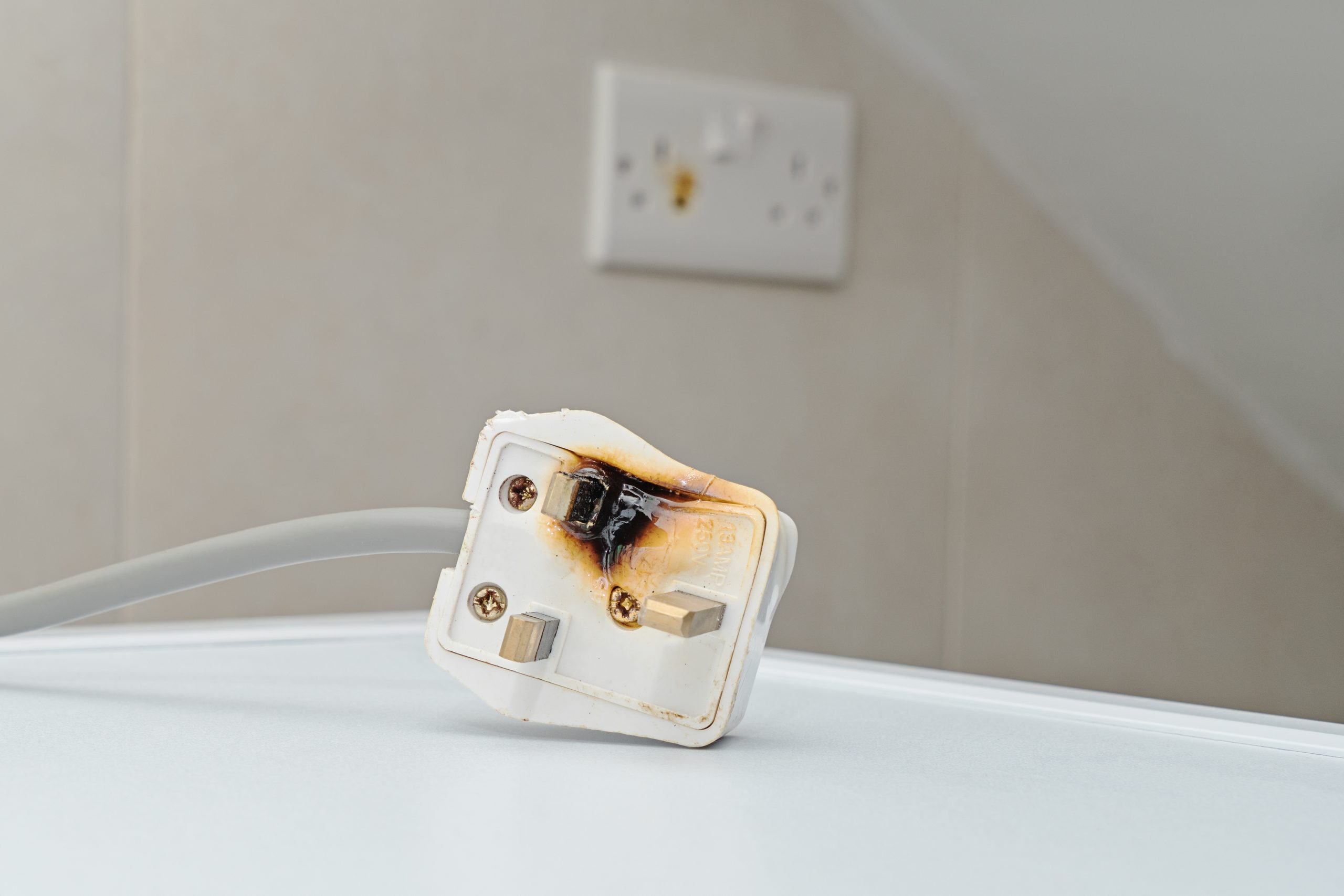
- Fire and Smoke Hazards: Malfunctioning alarms, blocked exits, or faulty wiring that increase the risk of serious harm.
Each of these categories requires different evidence and a different theory of liability, though all typically trace back to a property that failed to inspect, maintain, or repair conditions within its control. A collapsed deck, for example, often points to years of deferred structural inspections, while a single elevator malfunction may trace back to a maintenance contractor who missed a scheduled service visit.
What Evidence Can Strengthen an Apartment Injury Claim
Apartment injury claims are built on documentation, not assumptions. Because these cases often involve shared spaces controlled by a landlord or management company rather than a single homeowner, gathering the right records early can make the difference between a claim that stalls and one that moves forward with clarity.
Insurers representing apartment complexes frequently attempt to dispute how long a hazard existed or whether the property had received prior notice. Strong documentation directly addresses those disputes before they can undermine a claim. Without clear records, an insurer may argue that a condition appeared suddenly or that no one could reasonably have known about it, even when internal maintenance files suggest otherwise.
Acting quickly matters because apartment properties routinely repair hazards soon after an incident, sometimes within hours. A broken step may be fixed the same evening, and a wet floor may be dried before anyone documents the standing water. Preserving evidence before conditions change is often one of the most time-sensitive parts of building a strong claim.
Maintenance Records, Incident Reports, and Surveillance Footage
Building on internal documentation helps establish exactly what the property knew and when. The following categories of evidence are typically central to a Worcester apartment injury claim:
- Maintenance Logs: Work orders, repair schedules, and vendor invoices showing whether a hazard was addressed or ignored.
- Prior Complaints: Written notices, emails, or maintenance requests submitted by other residents about the same condition.
- Incident Reports: Documentation created by property staff at the time of the injury, including witness names and initial observations.
- Surveillance Footage: Camera recordings from hallways, parking lots, or entrances that captured the hazard or the incident itself.
- Inspection Records: Reports from code enforcement, fire officials, or the property’s own safety inspections.
Photographs taken soon after an injury, along with contact information from any witnesses, further strengthen a claim by preserving details that can fade once repairs are made. Combining these records with medical documentation creates a clear, well-supported picture of both the hazard and its consequences. Surveillance footage, in particular, can disappear quickly, as many properties overwrite recordings after a set number of days, making prompt legal action important for preserving that evidence.
What Compensation May Be Available After an Apartment Injury
Financial recovery after an apartment injury is intended to address the full scope of harm, not simply the initial emergency visit. Massachusetts law allows injured tenants and visitors to pursue compensatory damages, a legal term explained by Cornell Law School as compensation intended to restore an injured person to the position they occupied before the harm occurred.
Massachusetts also follows a modified comparative negligence rule. Under Massachusetts General Laws Chapter 231, Section 85, an injured person may still recover damages even if partially at fault for the incident, provided their share of responsibility does not exceed the threshold set by the statute. This framework prevents an insurer from denying a claim outright simply because shared fault is alleged, though the amount recovered may be reduced in proportion to that share of responsibility.
The value of a claim also depends on how the injury affects daily life over time, not only in the days immediately following the incident. A fracture that requires surgery and months of physical therapy carries different long-term consequences than a soft tissue injury that resolves within a few weeks, and a thorough claim accounts for both the immediate costs and the ones still ahead.
Medical Expenses, Lost Income, and Pain and Suffering
Recoverable damages in a Worcester apartment injury claim typically fall into a few core categories:
- Medical Expenses: Emergency treatment, hospital stays, surgery, physical therapy, and anticipated future care.
- Lost Income: Wages missed during recovery and any reduction in future earning capacity caused by lasting injury.
- Pain and Suffering: Physical discomfort, emotional distress, and the disruption an injury causes to daily life.
- Property Damage: Costs associated with damaged personal belongings, such as a mobility device or clothing, resulting from the incident.
Medical expenses often extend well beyond the first emergency room visit. Follow-up appointments, imaging, prescription medication, and physical therapy can accumulate over months, particularly for fractures, joint injuries, or head trauma that require ongoing monitoring. When an injury interferes with someone’s ability to work, either temporarily or permanently, lost income and diminished earning capacity become an important part of the claim, supported by pay records and, when necessary, input from a vocational professional.
Pain and suffering damages recognize harm that does not show up on a medical bill. Difficulty climbing stairs in one’s own home, anxiety about walking through a poorly lit parking lot, or the frustration of a slow recovery all reflect real consequences that Massachusetts law allows injured tenants to include in a claim. The goal throughout is to present a complete picture of how the injury changed daily life, not just the treatment required to address it.
How a Worcester Apartment Injury Lawyer Can Help
Navigating a claim against a landlord, management company, or contractor involves more than filing paperwork. It requires identifying every responsible party, gathering evidence before it disappears, and presenting a case that insurers cannot easily dismiss. A Worcester apartment injury lawyer manages that process so injured tenants and visitors can focus on recovery rather than negotiation.
Massachusetts law sets firm deadlines for these claims. Under Massachusetts General Laws Chapter 260, Section 2A, most personal injury lawsuits must be filed within three years of the date of injury, and missing that window can prevent recovery, no matter how strong the underlying case. Acting early also helps preserve maintenance records, surveillance footage, and witness memories before they fade or are lost entirely.
Our team reviews leases, service contracts, and prior complaint histories to build a complete picture of liability, then works to negotiate a fair resolution or pursue litigation when an insurer refuses to acknowledge the true extent of the harm. Throughout that process, we keep clients informed at every stage, explaining what to expect next and answering questions as they arise, so no one is left guessing where their case stands.
Explore Your Legal Options With Sweeney Merrigan
An injury inside a Worcester apartment community can affect your health, your finances, and your sense of safety in your own home. Sweeney Merrigan Personal Injury Lawyers is available to review what happened, explain your options under Massachusetts law, and pursue the parties responsible for the hazard that caused your harm.
Call (617) 391-9001 today to discuss your case with a Worcester apartment injury lawyer and take the first step toward the accountability and recovery you deserve.