





When a child is seriously injured, the impact is felt by the entire family. Between medical appointments, missed school, time away from work, and concerns about a child’s recovery, parents can quickly find themselves facing decisions they never expected to make.
When a child’s injury is caused by someone else’s negligence, families may have options for holding the responsible party accountable and seeking compensation for both the immediate and long-term effects of the injury. A Worcester child injury lawyer can help families understand those options and determine the best path forward.
At Sweeney Merrigan Personal Injury Lawyers, we understand that cases involving injured children require particular care and attention. Our attorneys look beyond the immediate medical expenses to understand how an injury may affect a child and their family both now and in the years ahead.
Why Child Injury Cases Require Special Legal Consideration
Children Often Face Different Medical and Recovery Challenges Than Adults
A child’s body and brain are still developing, which means an injury that might resolve quickly in an adult can carry consequences that unfold over years. Growth plates, developing organs, and a still maturing nervous system respond differently to trauma, and doctors often cannot fully predict how an injury will affect a child until months or years of monitoring have passed. A fracture near a growth plate, for instance, may heal on the surface while still affecting how a limb develops as the child continues to grow.
This uncertainty makes early legal evaluation especially important. A claim built around a snapshot of a child’s condition on the day of the accident risks understating what that child may actually need going forward, particularly when symptoms are subtle or slow to surface. We work with treating physicians and, where appropriate, outside medical professionals to understand how an injury may progress as a child grows, so that any resulting claim reflects the full picture rather than an incomplete one. That forward-looking approach shapes how we evaluate a case from the very first conversation.
Common Causes of Child Injuries in Worcester
Car Accidents, School Incidents, Dog Bites, and Unsafe Properties
Children in Worcester are injured in a wide range of circumstances, and identifying the exact cause is often the first step toward accountability. Motor vehicle accidents remain one of the most common sources of serious harm, whether a child was a passenger, a pedestrian crossing near a school, or riding a bicycle through a residential neighborhood at the time of the crash. According to the Insurance Institute for Highway Safety, proper restraint use and careful driving around children remain central to preventing these injuries, yet crashes continue to happen when drivers are careless, distracted, or moving too quickly through areas where children are present. Beyond the road, children are frequently hurt in daycare settings, on school grounds, and on playgrounds, often due to inadequate supervision, poorly maintained equipment, or staff who fail to follow basic safety protocols during recess or transitions between activities.
Dog attacks are another recurring cause, particularly when a child encounters an unfamiliar or improperly restrained animal in a neighborhood, a park, or even a family member’s home. Unsafe property conditions, including broken stairs, unmarked hazards, exposed wiring, or poorly secured pools, can also place children at serious risk when property owners fail to maintain safe conditions for young visitors who may not recognize a danger the way an adult would.
How Serious Injuries Can Affect a Child’s Future
Long-Term Medical Needs, Developmental Challenges, and Emotional Trauma
A serious injury rarely stays contained to the initial hospital stay. Children with fractures, brain injuries, or severe soft tissue damage often require years of follow-up care, physical therapy, and follow-up appointments that extend well into adolescence and, in some cases, adulthood. Developmental challenges can emerge in ways that are not obvious right away. A head injury sustained at age six may not reveal its full academic impact until that child reaches middle school and begins struggling with tasks that require sustained attention, memory, or the kind of executive function that develops gradually over childhood. Emotional trauma frequently accompanies physical harm as well, and children may develop anxiety, sleep disturbances, or a fear of the circumstances that caused their injury, sometimes appearing years after the physical wounds have healed.
Rehabilitation for a child is rarely a straight line. It often requires adjusting treatment plans as the child grows, coordinating between pediatric physicians, physical therapists, and school counselors, and revisiting goals that looked realistic at one age but need to change at another. Some children require tutoring or classroom accommodations they did not need before the injury, while others need ongoing counseling to process what happened long after friends and classmates have moved on. These layered, evolving needs are part of why child injury claims demand a different level of attention than a typical adult injury case.
Who May Be Liable for a Child’s Injuries?
Drivers, Property Owners, Schools, and Other Responsible Parties
Responsibility for a child’s injury does not always rest with a single person. A distracted or reckless driver may bear direct responsibility for a car accident, but liability can also extend to a property owner who ignored a known hazard, a school that failed to supervise students adequately during recess or a field trip, a daycare facility that did not follow basic safety protocols for staffing ratios or equipment maintenance, or a business that allowed an unsafe condition to persist on its premises. Institutions in particular carry a heightened duty when children are in their care, and a failure to meet that duty, whether through inadequate staffing, poor maintenance, or ignored complaints from other parents, can support a claim against the institution itself rather than a single employee.
In some cases, more than one party shares responsibility, such as when a property owner’s neglected stairwell combines with a landlord’s failure to address repeated complaints, or when a school district’s understaffed playground overlaps with a manufacturer’s defective equipment. Identifying every responsible party matters because it directly affects the resources available to cover a child’s current and future needs and helps ensure accountability is not limited to the party present at the moment of the accident. A careful review of records, incident reports, and prior complaints often uncovers responsibility that was not obvious in the immediate aftermath.
What Compensation May Be Available for an Injured Child
Medical Expenses, Future Care Costs, and Other Damages
Compensation in a child injury case is designed to address both what has already happened and what may still lie ahead. Past medical bills, emergency treatment, and initial therapy are usually the most visible costs, but future treatment needs often carry greater long-term weight, particularly when a child requires ongoing focused medical care, assistive devices, or repeated procedures as they grow into adolescence and beyond. Compensatory damages, as recognized under general tort law principles, are intended to address the actual loss or harm a person has suffered rather than to punish the responsible party. For an injured child, that can include pain and suffering, the emotional impact of the experience, and the broader impact on quality of life, including the practical toll an injury takes on school performance, friendships, and daily routines that once felt ordinary. Families may also need to account for costs that are easy to overlook at first, such as transportation to follow-up appointments, tutoring to address academic setbacks, or home modifications for a child with a lasting physical limitation. Because these needs can shift over time, a thorough claim accounts for care that may not be required until years after the initial injury, rather than settling based only on the expenses visible in the first few months.
How a Worcester Child Injury Lawyer Can Help
Handling a child’s injury claim requires patience, careful documentation, and an understanding of how these cases differ from standard personal injury matters. Massachusetts law recognizes that children are not always in a position to protect their own legal rights, and under Massachusetts General Laws Chapter 260, Section 7, the filing deadline for a minor’s claim may be tolled until the disability of minority is removed. That distinction can matter a great deal when a family is focused on a child’s recovery rather than legal deadlines, though it should never be treated as a reason to delay building the case.
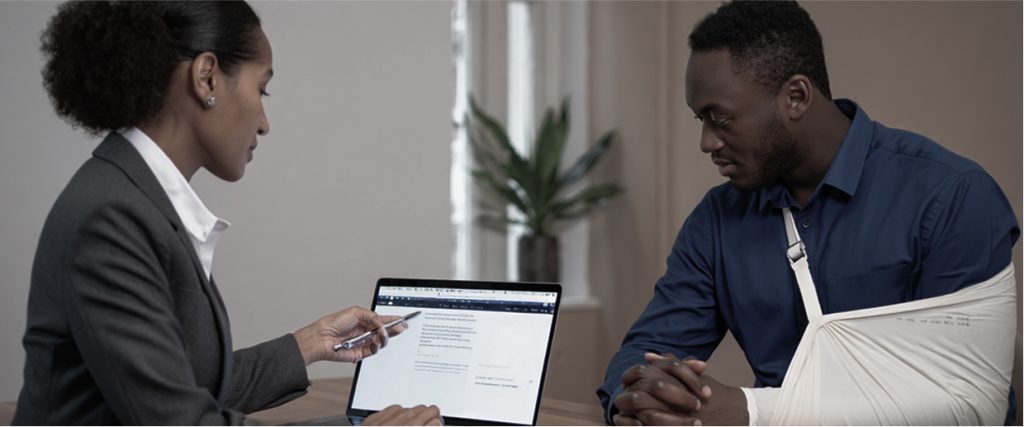
We help parents understand these timelines, gather the medical and factual evidence needed to support a claim, and pursue accountability from all responsible parties while keeping the family informed at every step. Coordinating with pediatricians, school administrators, and, when needed, accident reconstruction professionals often becomes part of building a claim that reflects everything a child has been through, not just the version captured in an initial incident report.
Protect Your Child’s Future With Guidance From Sweeney Merrigan
No family should have to navigate a child’s injury alone. Sweeney Merrigan Personal Injury Lawyers has stood beside Massachusetts families for three generations, and we bring that same commitment to every child injury case we handle.
If your child has been hurt because of someone else’s negligence in Worcester, our team can help you understand your options and pursue the compensation your child may need for years to come. Call (617) 391-9001 today to speak with a Worcester child injury lawyer about your family’s situation.