







Products are part of daily life, and most people trust that what they purchase is safe to use. Product liability refers to the legal responsibility of companies to ensure the products they place into the market are reasonably safe for consumer use. When that trust is broken, the impact can be immediate and, in some cases, long-lasting. Working with a Worcester product liability lawyer can help clarify what went wrong and what legal options may be available after an injury caused by a defective product.
At Sweeney Merrigan Personal Injury Lawyers, we have worked with individuals who were injured by products they had every reason to believe were safe, often facing unexpected medical treatment, time away from work, and ongoing uncertainty that can affect both personal and professional stability.
Legal Representation For Product Liability Cases In Worcester
Product liability cases tend to be more involved than they first appear, and working with a Worcester product liability lawyer often brings clarity to issues that are not immediately obvious. What may seem like a single product failure often traces back to a chain of decisions spanning design, production, and distribution. In Worcester, individuals injured by unsafe products may have the right to pursue compensation when a defect or oversight contributed to the harm.
Our role is to examine those details carefully, focusing on how the product was made, how it was used, and whether proper safeguards were in place. We also review prior incidents and whether the product met industry standards at the time it entered the market. In some situations, this process also involves identifying whether warnings were adequate or if safer alternatives were available but not implemented. This approach helps clarify how and why the failure occurred and provides a more complete picture of where responsibility may lie.
What Is Product Liability Under Massachusetts Law
Product liability is based on the principle that companies that place products on the market have a responsibility to ensure those products are reasonably safe. This area of law is designed to protect consumers from preventable harm and to hold businesses accountable when safety standards are not met.
Massachusetts law reinforces this expectation through implied warranties. In practical terms, this means a product should function as an ordinary consumer would expect. The Massachusetts General Laws Chapter 106, Section 2-314 addresses this directly by requiring that goods be fit for their ordinary purpose.
This standard applies broadly, whether the product is a simple household item or a complex piece of equipment. When product liability claims arise, the central question is whether the product met those reasonable expectations for safety at the time it was sold and distributed.
When A Defective Product Causes Harm
Not every defect is obvious. Some issues only become clear after regular use, while others stem from missing instructions or warnings that leave consumers unaware of potential risks. Injuries in these situations often occur even when the product is used as intended.
Establishing the cause of the injury is a key part of the process. This typically involves looking at how the product performed, whether it behaved as expected, and whether a defect played a direct role in the outcome. In many cases, this evaluation includes reviewing maintenance records, product recalls, and prior complaints associated with the same product, which can provide important context. Timing also matters. A prompt review can help preserve the product itself, along with packaging, instructions, and other details that may later become important evidence.
Types Of Product Defects
The way a product becomes unsafe matters. Different types of defects can give rise to distinct legal considerations, and understanding these distinctions is an important step in evaluating a claim.
Design Defects, Manufacturing Defects, And Failure To Warn
A design defect exists when a product is unsafe from the outset. Even if it is manufactured correctly, the underlying design creates a risk that cannot be avoided without changing how the product is made. These cases often focus on whether a safer, reasonable alternative design was available at the time.
Manufacturing defects, by contrast, occur during production. These cases involve products intended to be safe that became dangerous due to errors in materials, assembly, or quality control. Even a single defective unit can cause harm, particularly when quality control measures fail or are inconsistently applied.
Failure to warn involves missing or inadequate instructions. Some products carry risks that cannot be eliminated entirely, but those risks must be clearly communicated. When warnings are not provided, consumers may unknowingly use a product in a way that leads to injury. Clear labeling, instructions, and safety guidance play a critical role in preventing avoidable harm.
These categories reflect different points of failure, but they share a common issue because the product fell short of reasonable safety expectations. That distinction shapes how a claim is investigated, which evidence is most relevant, and who may be responsible in complex, multi-party cases.
Common Product Liability Cases
Defective products appear in a wide range of everyday settings. Many cases involve items that are commonly used and generally considered reliable.
Consumer Products, Medical Devices, And Dangerous Equipment
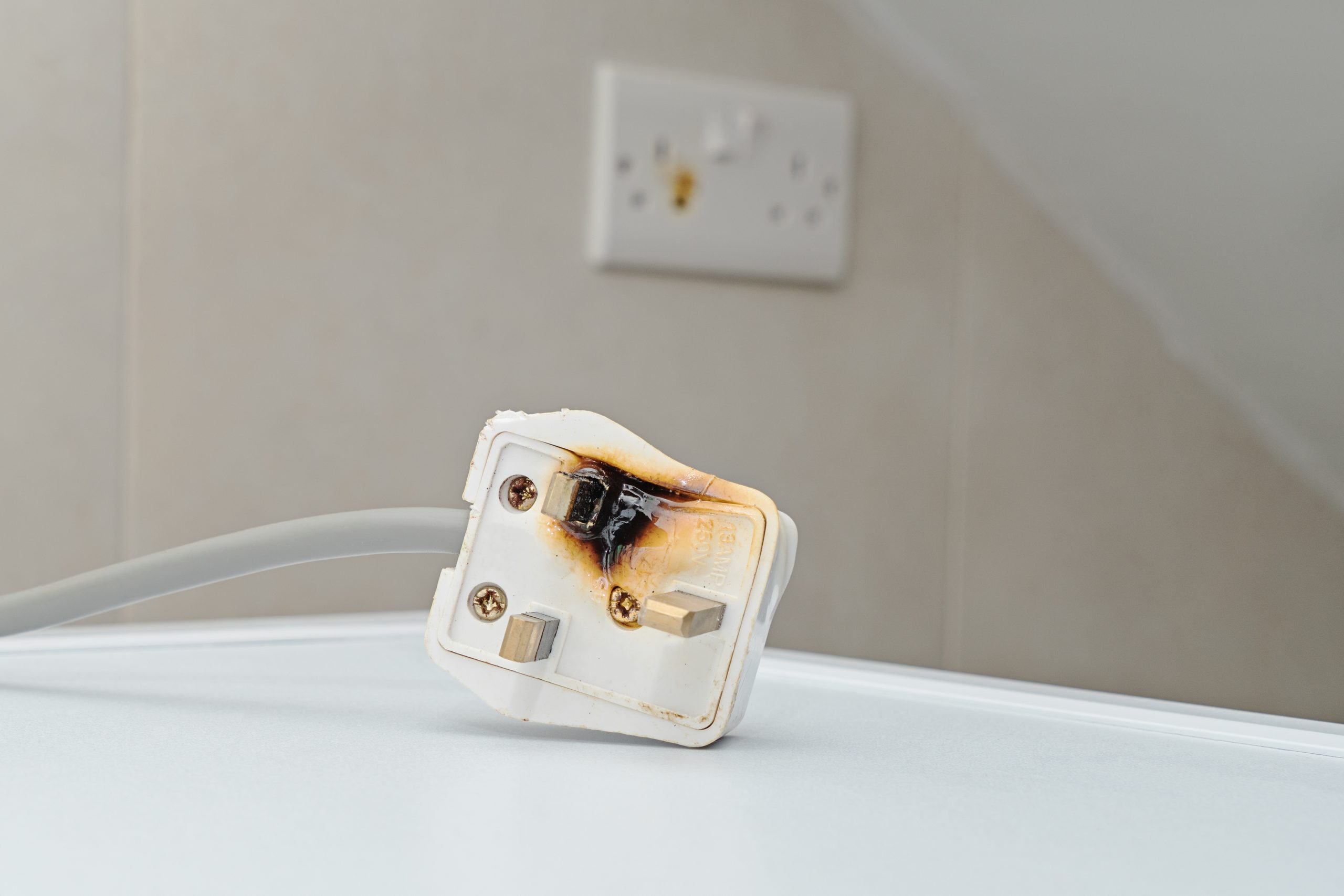
Consumer products are a frequent source of claims. Household appliances, electronics, and other everyday items can cause harm when they malfunction or lack appropriate safety features. Even products used daily can pose risks when poorly designed or manufactured, particularly when safety features are overlooked.
Medical devices present a different level of concern. When a device used in treatment fails, the consequences can be significant. According to the U.S. Food and Drug Administration safety guidance, careful testing and monitoring are necessary to reduce risks associated with these products. Failures in this area can lead to complications that require additional medical intervention and extended recovery.
Industrial equipment also carries inherent risks. When machinery lacks proper safeguards or fails during use, the resulting injuries can be severe, particularly in work environments where equipment is used consistently. In these settings, even a brief malfunction can have serious consequences and disrupt normal operations. Product liability issues may also arise with tools, safety gear, and components that appear minor on their own but become dangerous when they fail under ordinary conditions.
Who Can Be Held Liable In A Product Liability Case
Responsibility in a product liability case is often shared. A defective product may pass through several hands before reaching a consumer, and each step in that process can be relevant.
Manufacturers, Distributors, And Retailers
Manufacturers are typically the starting point, especially when the issue originates in design or production. However, distributors and retailers may also be involved if they contributed to bringing the product to market or failed to act on known concerns.
In some cases, third parties such as component suppliers or contractors may also play a role. Determining who is responsible requires a careful review of how the product moved through the supply chain. Identifying each party’s role helps ensure accountability is properly addressed and that no contributing factors are overlooked. A product may reach a consumer through several businesses, and liability often depends on understanding what each one knew, did, or failed to do before the product was sold.
How To Prove A Product Liability Claim
A successful product liability claim depends on showing how and why the product failed. This requires more than a general assertion that something went wrong.
Evidence, Causation, And Legal Standards
Evidence may include the product itself, medical documentation, and evaluations from professionals who can explain how the defect contributed to the injury. These details help establish both the presence of a defect and its effect.
Causation is often the most closely examined issue. It must be shown that the defect was not just present, but directly responsible for the harm. This often requires technical analysis and, in some cases, expert testimony to explain how the failure occurred and why it led to injury.
Under Massachusetts law, a claim generally requires proof that the product was defective, posed an unreasonable risk, and was used in a reasonably anticipated way. Meeting these standards requires a clear and well-supported presentation that connects the defect directly to the resulting harm.
Compensation Available In Product Liability Cases
An injury caused by a defective product can affect multiple aspects of daily life. Compensation is meant to address these losses in a balanced and practical way, reflecting both financial strain and personal disruption.
This may include medical costs, lost earnings, and other expenses connected to the incident. Non economic damages may also apply, covering pain, changes to routine, and lasting physical or emotional effects.
In more serious cases, future care and ongoing financial consequences are also considered. A careful review considers both immediate needs and how the injury may affect a person’s ability to work, maintain independence, or plan for the future. In these situations, guidance from a Worcester product liability lawyer can help ensure the full impact is properly recognized.
When To Contact Sweeney Merrigan About A Product Liability Case
After an injury involving a defective product, a prompt review can help preserve evidence and clarify next steps. Early evaluation also helps identify responsible parties before key details are lost and allows for a more informed understanding of the situation.
At Sweeney Merrigan Personal Injury Lawyers, we help individuals in Worcester assess product-related injuries and determine who may be responsible. Speaking with a Worcester product liability lawyer can provide clear direction on your options and help you better understand the legal process, so you can move forward with confidence and clarity about your next steps. Our team is here to guide you through each stage. For more information, contact us at (617) 391-9001.