
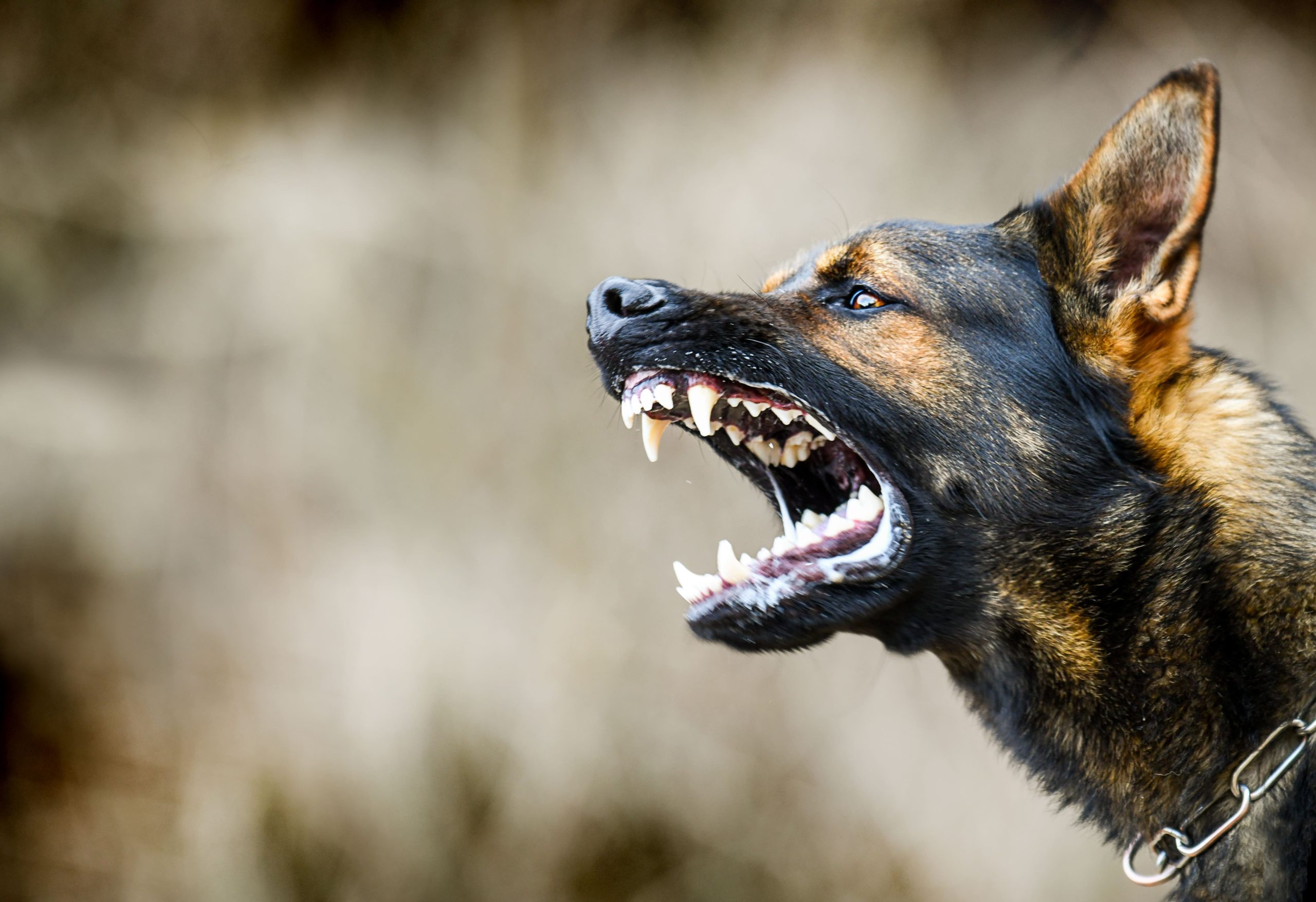








A severe animal attack can change daily life in an instant, leaving physical injuries, emotional strain, and unanswered questions about next steps. When a dog hurts someone, the legal and medical issues often intersect in ways that are not immediately clear. Working with a Lawrence dog bite lawyer helps injured individuals understand their options, protect their health, and avoid pitfalls that can inadvertently weaken their claim.
At Sweeney Merrigan Personal Injury Lawyers, we focus on providing practical guidance that fits real life, including what to document, what to avoid, and how to move forward with confidence.
Why Dog Bite Cases Require Knowledgeable Legal Guidance
Dog bite claims can look simple from the outside, but the details matter. Medical care is often time-sensitive, evidence can disappear quickly, and the pressure to accept a fast resolution can arise before a person even understands the full impact of the injury. These cases also involve unique questions regarding animal control records, leash rules, vaccination status, and whether the dog had contact with other people or animals in the vicinity around the time of the attack.
A strong approach usually starts with careful fact gathering. That includes identifying witnesses, preserving photographs, requesting incident records, and tracking symptoms over time, especially when pain, nerve issues, or infection develop later. Even when injuries appear minor, the long-term effects can be significant, particularly when the bite involves the face, hands, or lower leg.
Understanding Your Rights After An Animal Attack
Massachusetts law provides meaningful protections for people injured by dogs. Many victims assume they must prove the owner was careless or that the dog had a history of aggression. That belief can discourage people from asserting valid rights.
Your rights often include pursuing compensation for medical care, lost income, and the personal impact of the experience, including discomfort, scarring, and emotional distress. These claims are also about dignity; a bite injury can feel deeply personal, especially when it occurs in a neighborhood setting, at a friend’s home, or during a routine walk.
Clear guidance helps in the earliest days after an attack. That early window is when medical documentation is created, when memories are fresh, and when decisions about reporting and follow-up care can shape both recovery and the strength of the case.
Dog bite claims also tend to involve questions that people do not anticipate. A victim may need guidance on preserving evidence, requesting photographs from nearby cameras, or obtaining incident reports from the property owner. Parents often need help documenting how an injury affects a child’s school routine, sleep, and comfort in public spaces. Adults may need a plan for tracking missed work, reduced hours, and the practical disruption of follow-up appointments.
Another issue is timing. Scars evolve, infections may appear later, and nerve symptoms can develop as swelling resolves. A rushed settlement can leave someone responsible for costs that only become clear after weeks or months. Taking a measured approach, backed by complete records and a clear medical picture, is often the difference between a claim that feels fair and one that falls short.
Massachusetts Dog Bite Laws Explained
Massachusetts follows a framework that is more direct than many people expect. Instead of requiring proof of negligence or prior warning signs, the law often holds owners responsible for injuries that occur, regardless of whether negligence was present.
This structure is designed to protect the public. It recognizes that people should be able to go about their daily life, walking down a sidewalk, visiting a neighbor, or entering a common area of a building, without carrying the risk of someone else’s dog.
How Strict Liability Works For Dog Owners
Under Massachusetts General Laws Chapter 140, Section 155, responsibility typically rests with the dog owner when an injury occurs, even when the animal has never shown prior aggression. The statute explains that responsibility generally applies unless the injured person was trespassing, committing another offense, or provoking the dog.
In everyday terms, strict liability often means the focus is not on proving that the owner acted badly; it is on proving that the bite occurred, the dog belonged to the defendant, and the bite caused harm. That clarity can be reassuring for victims who are already dealing with pain, fear, and disruption.
At the same time, the exceptions matter. Allegations of provocation, trespassing, or unlawful activity can become points of dispute. A careful review of the setting, the dog’s behavior, witness accounts, and any recorded history can help keep the facts clear.
It is also common for owners to describe an attack as a misunderstanding, an accident, or a playful interaction that got out of hand. These descriptions can feel minimizing to someone dealing with pain and fear. The more reliable story usually comes from objective details, photographs taken shortly after the incident, consistent medical notes, witness statements, and any official reports created close in time to the bite.
Common Injuries And Complications Caused By Dog Bites
Dog bites range from puncture wounds to crushing injuries, and the harm is not always obvious on day one. A bite can damage skin, muscle, tendons, and nerves. Some injuries involve tearing, which can require more complex treatment and carries a higher risk of visible scarring.
Complications can also arise from infection. Even with prompt cleaning, bacteria can enter deeper tissue. Swelling, redness, increased warmth, fever, or drainage may develop later. Certain bites also raise concerns about rabies exposure, which is why prompt medical evaluation and proper reporting are crucial.
Medical Treatment, Scarring, And Long-Term Effects
Treatment can include urgent care, emergency room services, sutures, antibiotics, tetanus updates, and follow-up visits with specialists. In more severe cases, patients need wound debridement, plastic surgery consultation, or physical therapy. A bite to the hand can limit grip strength and fine motor function. A bite to the face can lead to long-term cosmetic concerns, especially when the injury heals unevenly.
Pain is only part of the picture. Sleep disruption, fear of dogs, avoidance of outdoor activities, and anxiety in public spaces are common, particularly for children. A parent may notice behavioral changes even after the wound has closed.
According to the Commonwealth of Massachusetts damage framework, longer-lasting effects can be recognized as part of injury-related recovery and accountability. That matters in dog bite cases because the lasting impact is often more than the initial medical bill.
Scarring is a common example. Even when a wound heals, the appearance can change over time, and the emotional impact can grow in situations that involve photos, customer-facing work, or social settings. Some people also experience persistent sensitivity around the bite site, changes in sensation, or stiffness that affects routine tasks. When a bite causes deep bruising or crushing injury, healing may take longer than expected and can bring setbacks that are hard to predict at the outset.
Who May Be Liable In A Lawrence Dog Bite Case?
Dog owners are frequently responsible, but liability can extend beyond the person holding the leash. The location of the incident, the purpose of the visit, and who controlled the property can all affect which parties should be considered.
In a city setting like Lawrence, attacks can happen in shared spaces, multi-unit properties, stairwells, hallways, parking areas, sidewalks, and small fenced yards. Identifying the correct defendants early helps prevent delays and supports a more transparent and effective strategy.
Owners, Property Managers, And Other Responsible Parties
Owners are the most common defendants, but property managers and landlords may also be involved in certain situations. For example, when a landlord is aware of a dangerous dog on the premises and fails to address an obvious risk, that knowledge may become relevant. These cases can involve questions about prior complaints, building rules, lease provisions, and whether the dog was repeatedly allowed in common areas.
Other responsible parties can include dog walkers, caretakers, or anyone who had control of the animal at the time. A bite can occur during boarding, grooming, or informal pet sitting. Each arrangement raises its own questions about supervision and control.
A thorough review often involves examining animal control records, communications between tenants and management, and any prior incidents. The goal is to connect responsibility to the parties who could prevent the harm.
What Compensation May Be Available After A Dog Bite Injury
Compensation after a dog bite is meant to address both immediate losses and future consequences. The right measure depends on the person’s medical course, the visibility of the injury, the effect on work and family life, and whether treatment is expected to continue.
People sometimes undervalue their losses, especially when they feel pressure to move on quickly. A better approach is to document the whole timeline, from emergency care through follow-up visits, and to track the day-to-day impact along the way.
Economic And Non-Economic Damages You May Be Able To Recover
Economic damages can include medical bills, medication costs, therapy expenses, and lost earnings. They can also include future care when a physician recommends additional treatment or when scarring requires later revision.
Non-economic damages address the human side of the injury, including pain, embarrassment, anxiety, loss of enjoyment of normal routines, and the stress that can follow an unexpected attack. Damages can encompass both financial losses and non-financial harm, providing a helpful understanding of why dog bite cases are not measured solely by invoices.
Some claims also involve scarring and disfigurement, particularly when the injury is visible to the public. Photographs taken over time, medical notes, and testimony about how the injury affects confidence and daily interactions can be significant.
Steps To Take After A Dog Bite In Lawrence
Action taken in the first hours and days after a bite can protect both health and legal options. Key steps often include:
- Seeking medical evaluation right away, even when the wound appears minor, to reduce infection risk and create clear medical documentation
- Reporting the incident ensures a formal record is created, identifying the dog and supporting follow-up related to vaccination status.
- Gathering basic information at the scene, such as the dog owner’s name and contact details, where the bite occurred, and the names of any witnesses.
- Preserving evidence by taking photographs in good lighting, saving torn clothing, and noting symptoms as they develop.
- Keeping a simple journal that tracks pain, sleep disruption, missed work, and activity limitations to provide context beyond medical records.
- Being mindful with communication by avoiding rushed statements about fault or severity and describing what happened in plain, factual terms.
- Organizing documentation, including discharge papers, prescriptions, receipts, appointment summaries, and photographs taken throughout the healing process.
These steps help create a clearer picture of the full impact of the injury without turning recovery into unnecessary paperwork.
Contact Sweeney Merrigan Personal Injury Lawyers For Help With A Dog Bite Injury Claim
Taking the next step after a dog bite should feel steady and supported. We work with clients to explain how the law applies to their specific situation, identify the key records, and pursue compensation in a manner that keeps the focus on healing and stability.
To discuss what happened and understand the path forward, call (617) 391-9001 to reach Sweeney Merrigan Personal Injury Lawyers.
Helpful articles:
Related Practice Areas: