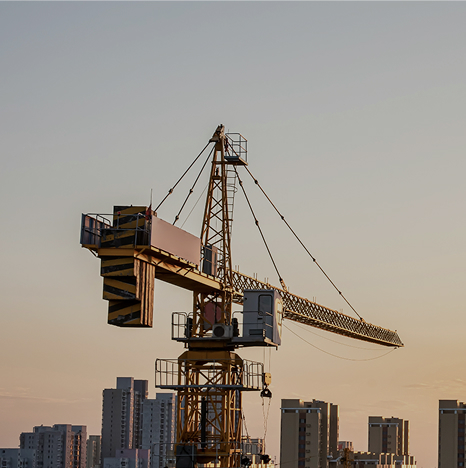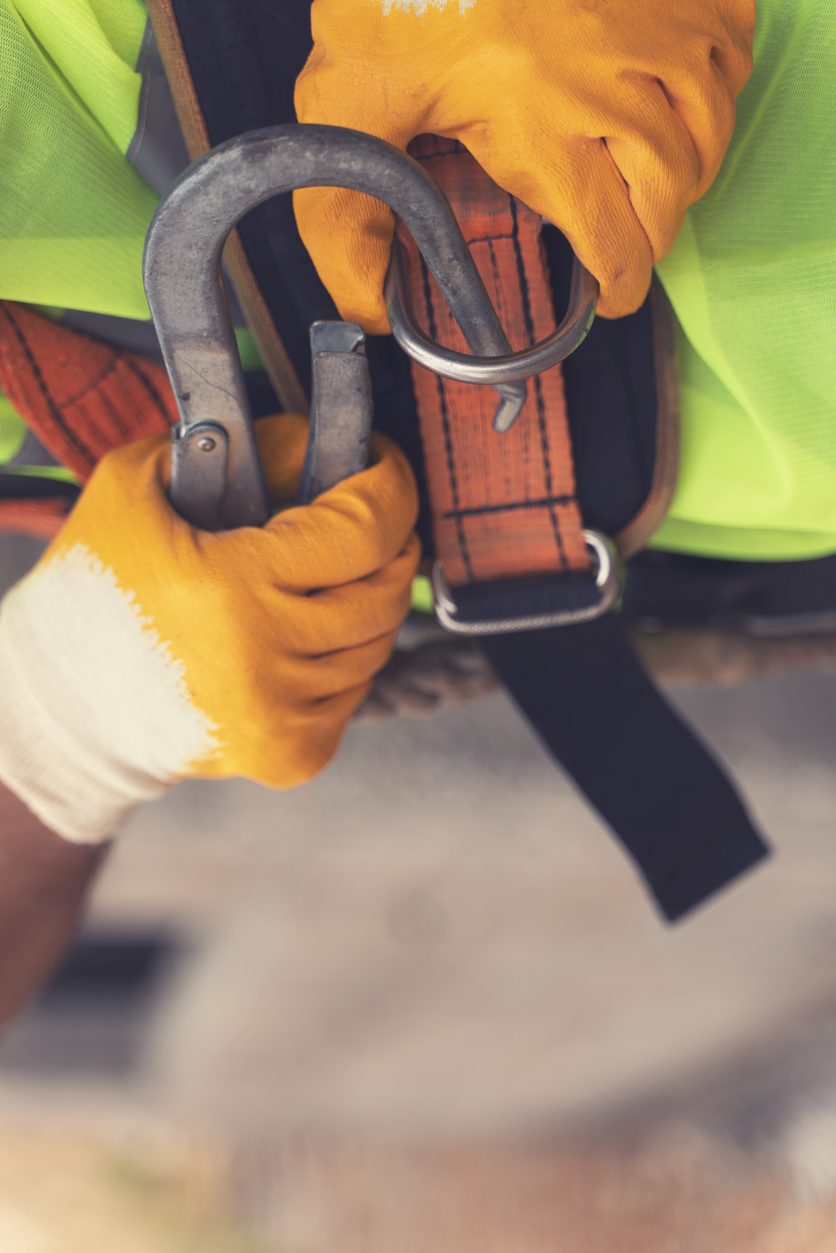


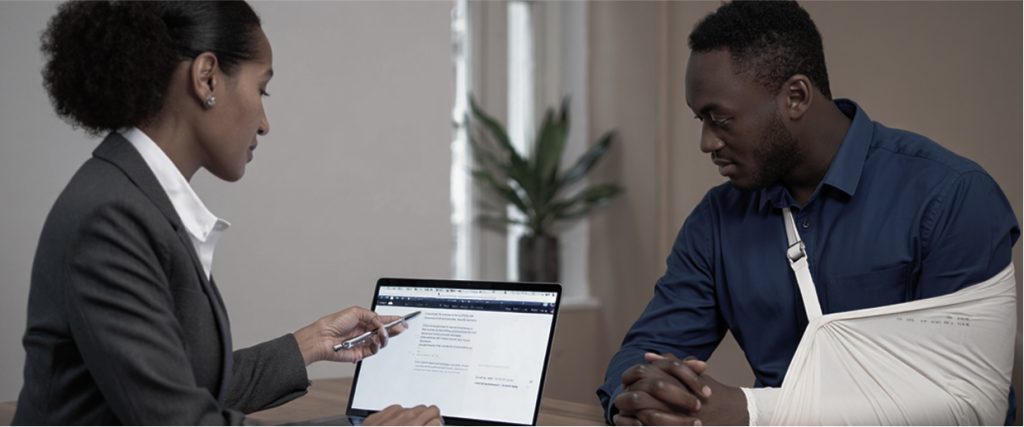






Construction keeps Western Massachusetts moving forward, but everyone knows the work comes with real danger. Crews must deal with tight deadlines, constant coordination between trades, and safety rules that must be followed to the letter. One slip-up can cost someone everything. A serious accident doesn’t just hurt the worker in that moment. It derails their income, puts their family’s finances in jeopardy, and creates uncertainty that follows them home every day. As a Springfield construction accident lawyer, we help injured workers and their families get answers: what actually happened, why safety broke down, and what they can do about it legally. Accountability matters, but not because we’re looking to assign blame. It matters because workers deserve clarity and fairness when those responsible for their safety fail to follow through.
At Sweeney Merrigan Personal Injury Lawyers, we take these cases seriously. We communicate clearly, stay focused on outcomes that genuinely help, and work toward solutions that support long-term recovery and financial stability.
Why Construction Accident Cases Require Skilled Legal Support
When a construction worker gets injured on the job, the legal picture is rarely clear-cut. Job sites bring together general contractors, subcontractors, equipment suppliers, and safety inspectors, each operating under separate agreements and answering to different parties. Determining liability means untangling those relationships and understanding how Massachusetts law applies to the specific circumstances of your injury. Getting legal help early makes a difference. It ensures critical details don’t slip through the cracks and gives you a better chance of protecting your interests before problems escalate.
From filing your initial injury report to handling the documentation that follows, careful attention at each stage affects how your case develops and whether the facts come across clearly.
Springfield construction projects often involve multiple layers of contractors and vendors, each with their own specific responsibilities. When an accident occurs, it’s common for parties to dispute who was at fault or deflect accountability entirely. Without proper legal support, injured workers often struggle to obtain clear answers about what happened or who was responsible for the conditions that led to the injury. A focused legal approach brings clarity to what can quickly become overwhelming. It also keeps you on track with filing deadlines, ensures required notices reach the right parties, and secures evidence before it’s lost. Construction sites change rapidly, unsafe conditions are corrected, equipment is relocated or swapped out, and the scene shifts from day to day. Documenting everything early can be the difference between a strong case and one that’s nearly impossible to prove.
Understanding The Unique Risks Faced By Construction Workers
Daily construction tasks involve heavy machinery, elevated work areas, live electrical systems, and fast-moving crews working side by side. Even when safety rules are posted, pressure to meet deadlines can lead to shortcuts or missed precautions. According to data outlined by the Occupational Safety and Health Administration, falls, strikes by incidents, electrocutions, and being caught between hazards remain the leading causes of serious construction injuries nationwide. These risks are amplified on busy sites where multiple employers operate at once. Workers may not always know who is responsible for safety oversight in a particular area, especially when tasks change daily.
Communication gaps, inconsistent training, and overlapping duties can quietly increase danger, even for experienced professionals who follow instructions carefully. Workers may rely on others to secure an area or deenergize equipment, only to discover too late that proper steps were not taken. These breakdowns often become central issues when determining responsibility after a serious injury. Examining closely how tasks were assigned and communicated helps clarify whether the risk was foreseeable and whether reasonable steps were taken to protect those on site.
Common Causes Of Construction Accidents In Springfield
Springfield construction ranges from infrastructure work to private builds, but accidents often stem from the same preventable issues. Tight deadlines, poor communication between crews, and inadequate supervision create situations where workers are at risk of injury.
Examining how a project was planned, whether safety meetings occurred, and how crews coordinated day-to-day activities usually reveals where things went wrong. Holding responsible parties accountable matters beyond your case; it pushes the industry toward better practices on future sites.
Equipment Failures, Falls, Electrical Hazards, And Unsafe Work Practices
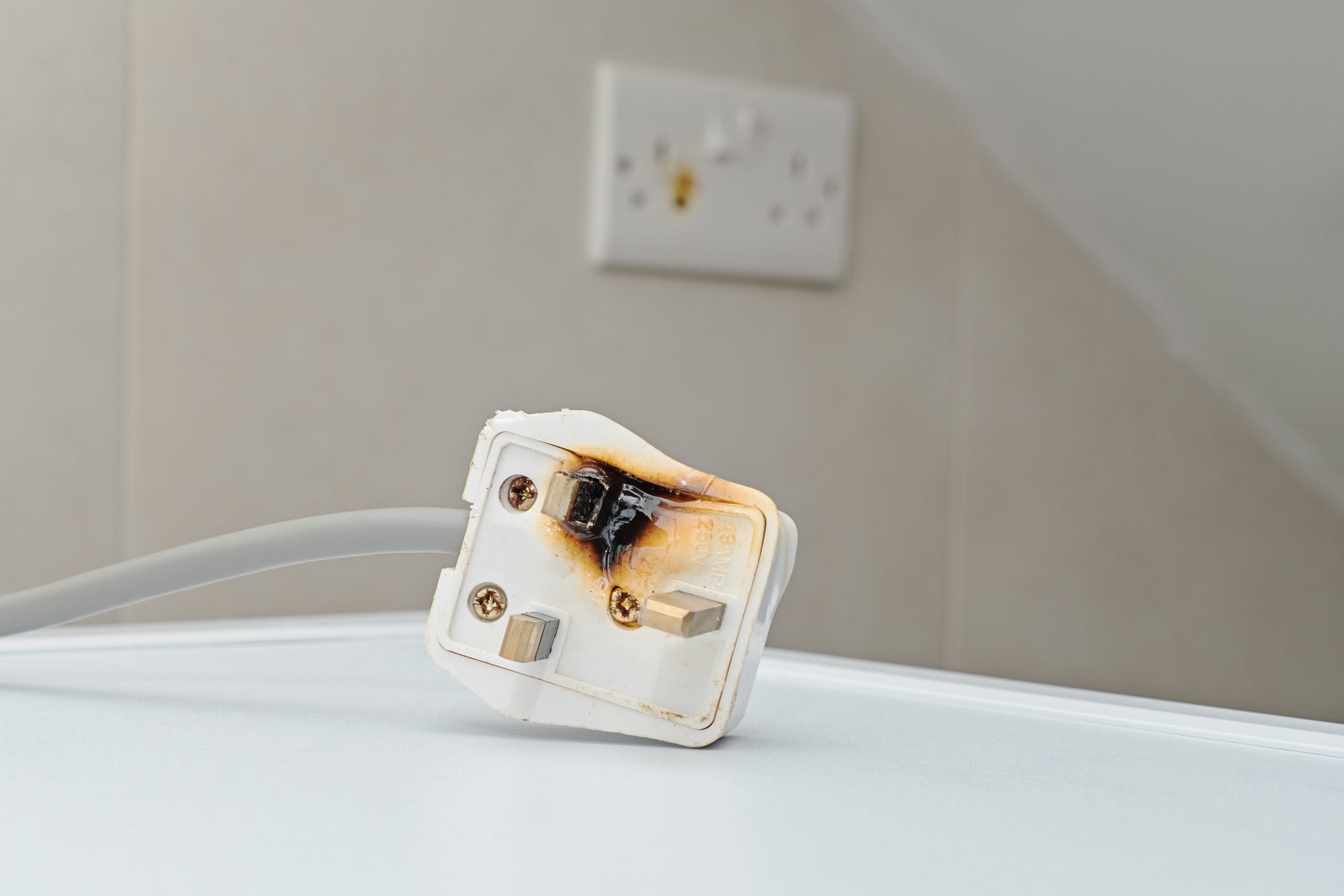
Malfunctioning tools, poorly maintained scaffolding, exposed wiring, and unstable ladders frequently contribute to job site injuries. Federal safety guidance outlined through the OSHA Construction eTools describes safeguards intended to reduce these hazards. When contractors or site managers fail to follow these standards, workers may be left vulnerable to serious harm that could have been avoided.
In many cases, safety equipment is available but improperly installed or maintained, creating a false sense of security. In other situations, crews are rushed to complete tasks without adequate supervision, increasing the likelihood of mistakes that result in injury.
Massachusetts Workers’ Compensation Vs. Third Party Claims
After a construction injury, many workers assume their only option is workers’ compensation. While this system provides medical coverage and wage support, it does not always reflect the complete legal picture. Construction sites often involve multiple parties, and others may have contributed to the unsafe conditions that caused the injury.
How These Two Paths Differ And When Each May Apply
Workers’ compensation typically covers medical treatment and a portion of lost wages for injuries connected to employment, regardless of fault. According to the Commonwealth of Massachusetts Workers’ Compensation for Injured Workers, these benefits generally include medical care and partial wage replacement. Third-party claims, on the other hand, may arise when someone outside the employer, such as a subcontractor, equipment manufacturer, or property owner, contributed to unsafe conditions. These cases often involve defective machinery, unsafe site layouts, missing warnings, or failures to coordinate work safely between trades.
Pursuing a third-party claim can be a crucial option when injuries are severe, and workers’ compensation benefits alone do not fully reflect the long-term impact of the harm suffered. These claims may also address pain, suffering, and future limitations that are not compensated through the workers’ compensation system. Understanding when a third-party claim applies allows injured workers to evaluate the full scope of their legal options. These claims can facilitate recovery for damages not covered by workers’ compensation alone. They may play a crucial role in addressing the long-term financial and personal consequences associated with a serious injury.
Injuries Frequently Seen In Construction Accident Cases
Construction injuries often involve more than temporary discomfort. Many require extended medical care and may limit a worker’s ability to return to demanding job duties. Ongoing pain, reduced mobility, and financial uncertainty can affect daily routines and family life during recovery.
Short-Term And Long-Term Medical Effects
Broken bones, spinal trauma, head injuries, severe burns, and internal organ damage are common outcomes following serious construction incidents. Some workers face months of rehabilitation, while others live with permanent impairments. Recovery may involve surgeries, physical therapy, occupational retraining, or ongoing medical monitoring.
These demands can place strain on households and complicate decisions about returning to work or changing careers altogether. National safety data summarized in the OSHA Fatal Four Overview highlights how quickly routine tasks can lead to life-altering consequences when safeguards fail.
Determining Liability In A Springfield Construction Accident
Identifying who is responsible requires a careful review of the job site, contracts, and safety practices in place at the time of the incident. This process often involves examining which parties controlled specific areas of the site, who was responsible for safety enforcement, and whether established protocols were followed.
In construction environments where multiple companies operate simultaneously, responsibility is not always obvious, making a thorough and methodical review essential to understanding how the injury occurred.
Evidence Used To Establish Responsibility On The Job Site
Photographs, maintenance records, incident reports, witness statements, and safety inspection logs all play crucial roles in evaluating responsibility. In complex cases, expert analysis may be needed to explain how equipment failures or unsafe practices contributed to the injury. This evidence helps build a straightforward narrative grounded in facts rather than assumptions. Establishing responsibility also involves reviewing safety plans, contractual obligations, and the site’s prior incident history.
A detailed investigation enables decision-makers to understand not only what happened, but also why it happened, and whether reasonable steps could have prevented the injury. This process often reveals systemic issues on a job site, such as repeated safety violations or inadequate supervision, that place multiple workers at risk over time.
Compensation That May Be Available After A Construction Injury
The financial impact of a construction accident often extends beyond immediate medical bills. Ongoing treatment, reduced earning capacity, and physical limitations can affect a worker’s future stability. Depending on the circumstances, compensation may address medical expenses, wage loss, diminished earning ability, and the broader impact the injury has on daily life. Each case requires an individualized assessment to ensure all available avenues are considered. Some claims involve coordination between workers’ compensation benefits and third-party recovery, while others focus solely on civil liability.
Understanding how these options interact helps injured workers make informed decisions about their future financial security. Thoughtful planning can help minimize uncertainty and reduce the risk of unexpected gaps in coverage or income as recovery continues. Having a clear picture of available benefits and potential claims allows injured workers to focus more fully on healing and rebuilding stability.
Contact Sweeney Merrigan Law For Help With A Construction Accident Claim
After a construction injury, the last thing you need is more stress trying to figure out complicated legal decisions on your own. At Sweeney Merrigan Personal Injury Lawyers, we make sure you understand what’s happening with your case at every turn.
We walk you through the entire process, from your first consultation all the way to resolution. You’ll always know where things stand, and we address your questions and concerns as they come up. Our job is handling the legal side, so you can focus on getting better.
If you want to talk about your situation, give us a call at (617) 391-9001. We’ll help you understand your rights and work toward the fair outcome you deserve.
Helpful articles:
Related Practice Areas: