







Drunk driving crashes leave lasting damage because impaired drivers take risks that sober drivers instinctively avoid. Reduced coordination, delayed reaction times, and poor judgment combine in seconds, turning an ordinary drive into a violent collision that changes lives. For people hurt in these crashes, the physical pain often comes with emotional strain, missed work, and uncertainty about what comes next. This page explains how these incidents occur, what injuries often result, and how the civil process works, while maintaining a focus on the real impact these crashes have on individuals and families in Springfield.
Springfield drunk driving accident lawyer is a phrase many people search for when trying to understand their legal options, and this information is meant to bring clarity during an overwhelming time. This overview also highlights how Sweeney Merrigan Personal Injury Lawyers approach drunk driving accident cases with care, clarity, and a focus on the people affected.
Why Drunk Driving Accidents in Springfield Are So Devastating
Drunk driving accidents are uniquely destructive because alcohol impairs judgment, coordination, and reaction time all at once. Drivers under the influence struggle to respond to traffic signals, changing road conditions, and unexpected hazards. In Springfield, where daily traffic includes commuters, pedestrians, and families traveling through local neighborhoods, these impairments dramatically increase the risk of catastrophic collisions.
The force involved in alcohol related crashes is often extreme. Impaired drivers are less likely to brake or swerve, which can result in collisions at higher speeds. This lack of defensive action transfers greater energy to occupants, resulting in severe injuries that require immediate and ongoing medical care.
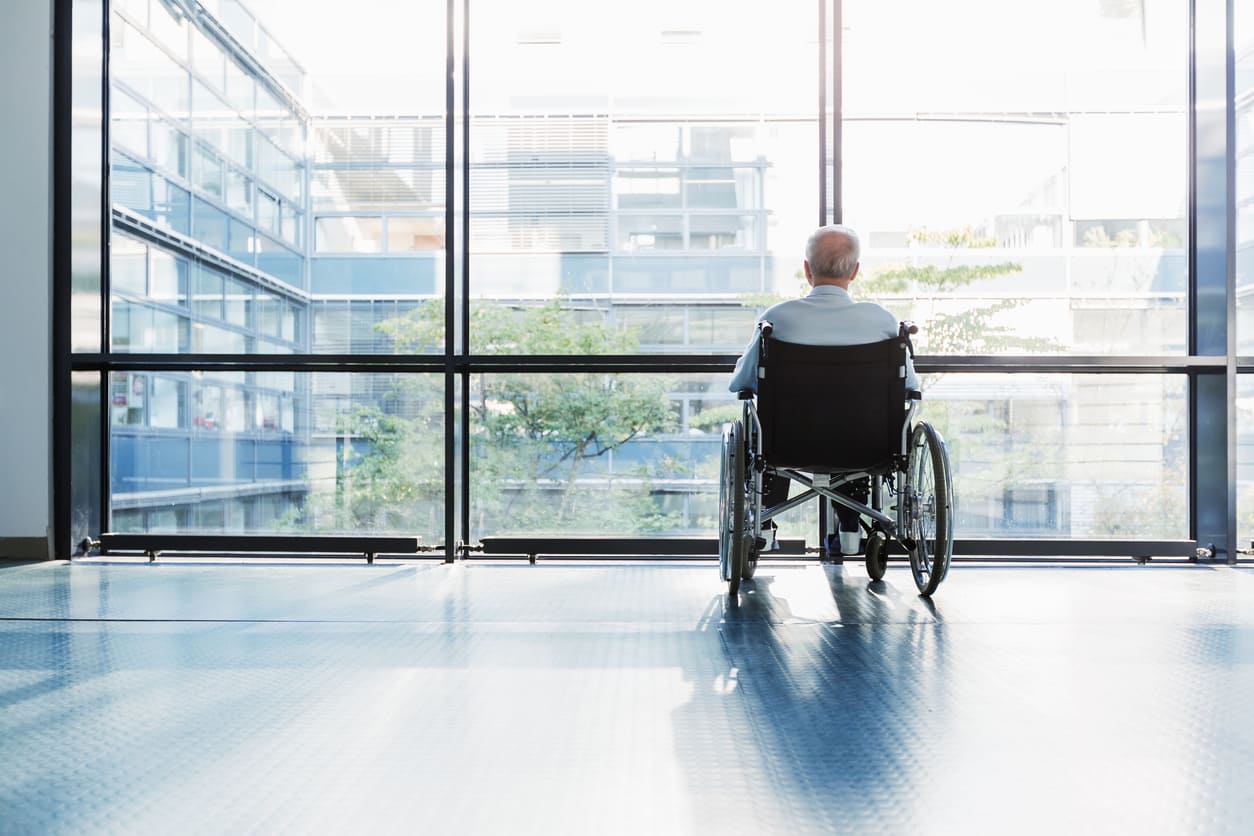
The aftermath extends far beyond the crash scene. Many victims face months of treatment, limited mobility, and chronic pain. Daily routines change as simple activities become physically demanding or emotionally draining. The loss of independence can be particularly challenging for individuals who were previously active and self-sufficient.
Families experience significant disruption as well. Loved ones may take time off work to provide care, manage transportation to medical appointments, or help with household responsibilities. Children may struggle emotionally after witnessing a parent’s injury or sudden lifestyle changes. Financial stress often compounds these challenges when medical bills increase and income decreases.
The emotional toll should not be overlooked. Anger, grief, anxiety, and fear are common reactions, particularly when victims realize the crash was entirely preventable. These emotional responses can impact sleep, relationships, and mental health long after physical injuries have begun to heal. Together, these factors explain why drunk driving accidents are among the most devastating events people face on Springfield roads.
How Alcohol Impairs Driving and Increases Crash Risk
Alcohol interferes with the brain’s ability to process information and coordinate movement. Reaction times are slow, making it difficult to respond to sudden stops, changing traffic lights, or unexpected obstacles. Vision can become blurred or narrowed, reducing peripheral awareness and increasing the chance of missing pedestrians, cyclists, or nearby vehicles.
Impaired drivers often misjudge their own abilities. Confidence increases while actual driving skills decline. This disconnect leads to risky behaviors such as tailgating, unsafe lane changes, and delayed braking. According to the National Highway Traffic Safety Administration, through its drunk driving safety data, alcohol significantly increases crash risk by limiting focus, coordination, and judgment. These impairments make it more difficult to avoid collisions and increase the likelihood that crashes will occur with full force, thereby increasing the severity of injuries.
Common Causes of Drunk Driving Accidents
Drunk driving accidents usually involve a combination of poor choices rather than a single error. Alcohol affects judgment early, causing drivers to underestimate danger and overestimate their ability to control a vehicle. In Springfield, these behaviors are observed on highways, downtown streets, and neighborhood roads alike, especially during late-night hours when visibility is lower, and fatigue becomes a factor.
Many crashes begin with subtle mistakes that build quickly. A driver may miss a turn, drift slightly, or brake later than usual. Under normal conditions, another driver might have enough time and space to react. With impairment, the mistakes escalate, and the window to avoid a collision shrinks.
Distraction also plays a role. An impaired person may fumble with a phone, radio, or navigation while already struggling to focus on the road. A few seconds of inattention can be enough to rear-end a stopped vehicle at a light, sideswipe a car in the next lane, or strike someone crossing the street.
Environmental conditions can exacerbate these situations. Rain, snow, or poorly lit roads reduce traction and visibility, leaving even less margin for error. Impaired drivers struggle to adapt, misjudging stopping distance and failing to slow down in time. On roads with curves, ramps, or lane merges, alcohol related miscalculations can cause sudden, high-impact crashes.
Speeding, Wrong Way Driving, and Impaired Judgment
Speeding is one of the most common factors in alcohol related crashes. An impaired driver may press the accelerator without realizing how fast they are going, or they may chase a green light without thinking about cross traffic. Excess speed reduces the time available to react and increases the force of impact, which is why victims often suffer serious injuries.
Lane drifting is another frequent issue. A vehicle may gradually cross into adjacent lanes, clip another car, or move into oncoming traffic. This is especially dangerous on narrower roads where there is little room to recover. Sudden lane changes can also occur when a driver realizes they are about to miss an exit or turn, and they swerve without checking mirrors or blind spots.
Wrong-way driving can happen when an impaired driver becomes disoriented and enters a one-way street in the wrong direction or takes an exit ramp incorrectly. These crashes tend to be severe because they often involve a head-on impact. Running red lights and stop signs is also common, as alcohol slows reaction time and dulls attention. The result is a crash that gives other drivers almost no opportunity to protect themselves. These actions leave other drivers little time to react, often resulting in severe collisions.
Who May Be Responsible After a Drunk Driving Accident
Determining responsibility after a drunk driving accident is a critical step in the civil legal process. While criminal cases focus on punishment, personal injury claims focus on accountability and financial recovery for the harm caused. In Massachusetts, individuals who have been injured have the right to pursue claims against all parties whose negligence contributed to the crash.
Drunk driving accidents often involve clear violations of safety laws, but responsibility can extend beyond the person behind the wheel. A thorough review of the circumstances surrounding the crash helps identify all sources of liability and ensures that the full scope of damages is addressed.
Building a strong claim usually requires collecting and organizing evidence early. Police reports, roadway photographs, vehicle damage documentation, and witness statements can help confirm the circumstances of the collision. Medical records connect injuries to the crash and show the severity of the harm. In more complex cases, crash reconstruction or data from a vehicle’s event recorder may help establish speed, braking, and direction of travel.
Civil liability is especially important because injuries from alcohol related crashes tend to be severe and long-lasting. Medical costs, lost income, and future care needs can quickly exceed what a single individual can afford, making it essential to evaluate all responsible parties.
Negligent Drivers, Bars or Restaurants, and Third Parties
The intoxicated driver is typically the primary responsible party. Operating a vehicle while impaired violates Massachusetts law and places everyone on the road at risk. Evidence such as officer observations, sobriety testing, breath or blood test results, witness statements, and video footage may all help establish negligence.
In certain cases, responsibility may extend to bars or restaurants that continue serving alcohol to a visibly intoxicated person. These claims can involve careful fact gathering, such as receipts, surveillance video, witness accounts, and timelines showing where the driver consumed alcohol before getting behind the wheel. The purpose is not to shift blame away from the driver, but to hold every contributing party accountable when their conduct contributed to creating a dangerous situation.
Massachusetts General Laws, Chapter 90, Section 26, defines operating under the influence offenses and provides important context when reviewing faults in civil claims. When a drunk driving arrest or conviction exists, it may strengthen the evidence, but civil claims can still rely on a broader set of proof showing impairment and unsafe driving.
Third parties may also share responsibility. Employers can be accountable when an impaired driver was acting within the scope of employment, such as driving a work vehicle or completing job-related travel. Vehicle owners may face liability for allowing an intoxicated person to use their car, particularly when they knew or should have known the driver was impaired. Each case requires a careful investigation to determine how decisions made prior to the crash contributed to the injuries suffered and to pursue recovery that truly reflects the full extent of the harm caused.
Typical Injuries Suffered in Alcohol Related Crashes
Alcohol related crashes frequently cause some of the most serious injuries seen in motor vehicle collisions. Because impaired drivers often fail to slow down, brake, or steer away from danger, the human body is subjected to a tremendous amount of force. This sudden trauma can overwhelm bones, muscles, organs, and the nervous system in a matter of seconds.
For many victims, the physical pain is only one part of the struggle. Recovery often requires a complete disruption of normal routines. Everyday tasks such as driving, working, caring for children, or even sleeping comfortably can become difficult or impossible. These changes affect not only the injured person but also their family members, who may take on caregiving roles or experience emotional strain of their own.
Hospital stays, follow-up appointments, and physical therapy sessions quickly become part of daily life. Some injuries require repeated surgeries or long-term rehabilitation, while others leave lasting limitations that never fully resolve. The uncertainty surrounding recovery timelines often adds stress, particularly when financial responsibilities continue to pile up.
Head Trauma, Spinal Injuries, Broken Bones, and Emotional Trauma
Head trauma is one of the most common and concerning outcomes of drunk driving crashes. Concussions and traumatic brain injuries can affect memory, concentration, balance, and emotional control. Even when symptoms seem mild at first, cognitive difficulties may appear weeks or months later, interfering with work performance and personal relationships.
Spinal injuries are especially devastating because they can permanently change how the body functions. Damage to the spinal cord may result in chronic pain, reduced sensation, limited mobility, or paralysis. According to medical information from the Mayo Clinic, spinal cord injuries disrupt communication between the brain and body, often requiring lifelong medical management and adaptive support.
Broken bones are another frequent consequence of alcohol related crashes. Fractures to arms, legs, ribs, hips, or the pelvis can require surgical intervention, metal hardware placement, and months of rehabilitation. During recovery, individuals may be unable to work or perform physical tasks, which can create financial strain and emotional frustration.
Emotional trauma often develops alongside physical injuries. Anxiety, depression, sleep disturbances, and fear of driving are common reactions after violent crashes. These psychological effects can persist long after physical wounds have healed, impacting confidence, independence, and overall quality of life.
Compensation Available to Drunk Driving Accident Victims
Compensation after a drunk driving accident is meant to reflect the full scope of harm caused by another person’s reckless decision. Injuries often affect every area of life, including health, finances, emotional well-being, and future plans. Civil claims focus on providing financial resources that help injured individuals rebuild stability after a preventable crash.
Each case is evaluated individually. The severity of injuries, length of recovery, and long-term impact all influence the compensation available. In drunk driving cases, damages are often substantial because injuries tend to be more serious and recovery more complex.
Medical Care, Lost Wages, Pain and Suffering, and Long-Term Support
Medical care compensation may include emergency treatment, ambulance transport, hospital stays, surgeries, rehabilitation services, medications, and follow-up care. Many victims also require specialized treatment such as neurological evaluations, pain management programs, or mental health counseling.
Lost wages address income missed during recovery as well as reduced earning capacity when injuries limit the ability to return to the same job or work full-time. For some individuals, career paths are permanently altered, creating long-term financial consequences.
Pain and suffering reflect the physical discomfort and emotional distress caused by injuries. These losses are addressed through compensatory damages, which are intended to restore an injured person as closely as possible to their pre-injury position by accounting for both economic and non-economic harm.
Long-term support may include future medical care, assistive devices, home modifications, or ongoing therapy. These forms of compensation recognize that recovery does not end when medical treatment stops. Instead, they account for how injuries continue to affect independence, mobility, and quality of life well into the future.
In many drunk driving cases, the hardest part is planning for what life looks like after the initial recovery phase. Some people can return to work but only with restrictions, reduced hours, or a new role that pays less. Others need help with transportation, household tasks, or childcare while they rebuild strength and confidence. Ongoing appointments, therapy sessions, and medication costs can become a routine expense, and that reality should be reflected when evaluating the full value of a claim. A well-prepared case also considers potential future setbacks, such as flare-ups of pain or the need for additional treatment, ensuring that the financial support aligns with the long-term picture, not just the initial few months.
What To Do After a Drunk Driving Accident in Springfield
The period immediately following a drunk driving accident is often confusing and stressful. Prioritizing health and safety is essential. A medical evaluation should occur as soon as possible, even when injuries appear manageable. Some conditions worsen over time, and early diagnosis can prevent complications while also creating medical documentation that reflects the true impact of the crash.
Law enforcement involvement is another important step. Police reports help establish whether impairment was suspected or confirmed and often include observations, testing results, and witness accounts. When possible, gathering basic information at the scene can also be helpful, such as the other driver’s contact details, vehicle information, and photographs of the damage and roadway conditions.
In the days that follow, focusing on documentation can make a meaningful difference. Saving medical bills, prescription receipts, transportation costs, and proof of missed work helps demonstrate financial losses. Notes about symptoms, pain levels, and limitations can also be useful, as daily effects can be easily forgotten over time. Many people track how injuries interfere with everyday activities such as cooking, childcare, commuting, or sleep, because these changes show the real impact of the collision.
Keeping communication organized can reduce stress. Copies of discharge instructions, follow-up recommendations, and therapy schedules help ensure continuity of care. When doctors recommend restrictions, following those instructions matters for both health and the credibility of the claim. Returning to strenuous activity too soon can exacerbate injuries and complicate the recovery process.
Avoiding rushed decisions is equally important. The process can move quickly, and it is common to feel pressure to settle before the full extent of injuries is known. Taking time to understand rights and options helps protect long-term interests, especially when injuries require extended treatment or create lasting limitations.
According to Mass.gov, impaired driving enforcement and prevention efforts explain how drunk and drugged driving is addressed statewide and why these laws exist to protect public safety.
Contact Sweeney Merrigan Law for Help After a Drunk Driving Accident in Springfield
Taking action after a drunk driving crash can feel overwhelming, especially while managing recovery. Physical pain, emotional stress, and unanswered questions often make it hard to know where to turn or what steps matter most. Our firm approaches each case with care, attention, and a commitment to clear communication, so you are never left guessing about the process or your options. We take the time to understand how the crash has affected your health, work, family life, and sense of stability, then build a claim that reflects those realities rather than treating the situation like a file number.
To speak with our team and have a thoughtful conversation about what comes next, contact Sweeney Merrigan Personal Injury Lawyers at (617) 391-9001 to discuss your situation and learn how we may assist you moving forward.
Helpful articles:
Related Practice Areas: