







Placing a loved one in a nursing home is often done with trust and careful consideration. Families expect consistent care, respect, and attention to both physical and emotional needs. When that trust is broken, the impact can be deeply unsettling. Working with a Springfield nursing home abuse lawyer helps families address concerns, uncover what went wrong, and pursue accountability within the framework of Massachusetts law.
These situations require patience, clarity, and a steady legal approach, values we bring to every case at Sweeney Merrigan Personal Injury Lawyers.
Why Nursing Home Abuse Cases Require Compassionate And Experienced Legal Support
Nursing home abuse cases often involve patterns of care failures rather than isolated events. Families may sense something is wrong but struggle to determine whether changes reflect aging, a medical issue, or declining care, especially when a loved one cannot clearly explain what is happening.
Legal support in these matters must be steady and respectful. Residents are often medically fragile, and families may be navigating fear and frustration at the same time. Our focus is on creating clarity by reviewing timelines, decisions, and whether the facility met reasonable standards.
Understanding how nursing homes operate across multiple shifts and with various caregivers is also critical. Problems may surface during nights, weekends, or periods of short staffing, and a meaningful review assesses whether the overall system supports safe care.
Facilities may quickly adjust records or staffing after concerns are raised. Without transparency, it can be challenging to determine whether those actions reflect genuine correction or an attempt to limit scrutiny.
Preexisting conditions are also commonly cited after injuries occur. While certain risks increase with age, they do not excuse preventable harm or replace the duty to provide proper supervision, safe routines, and adequate staffing.
Understanding The Vulnerabilities Residents Face In Care Facilities
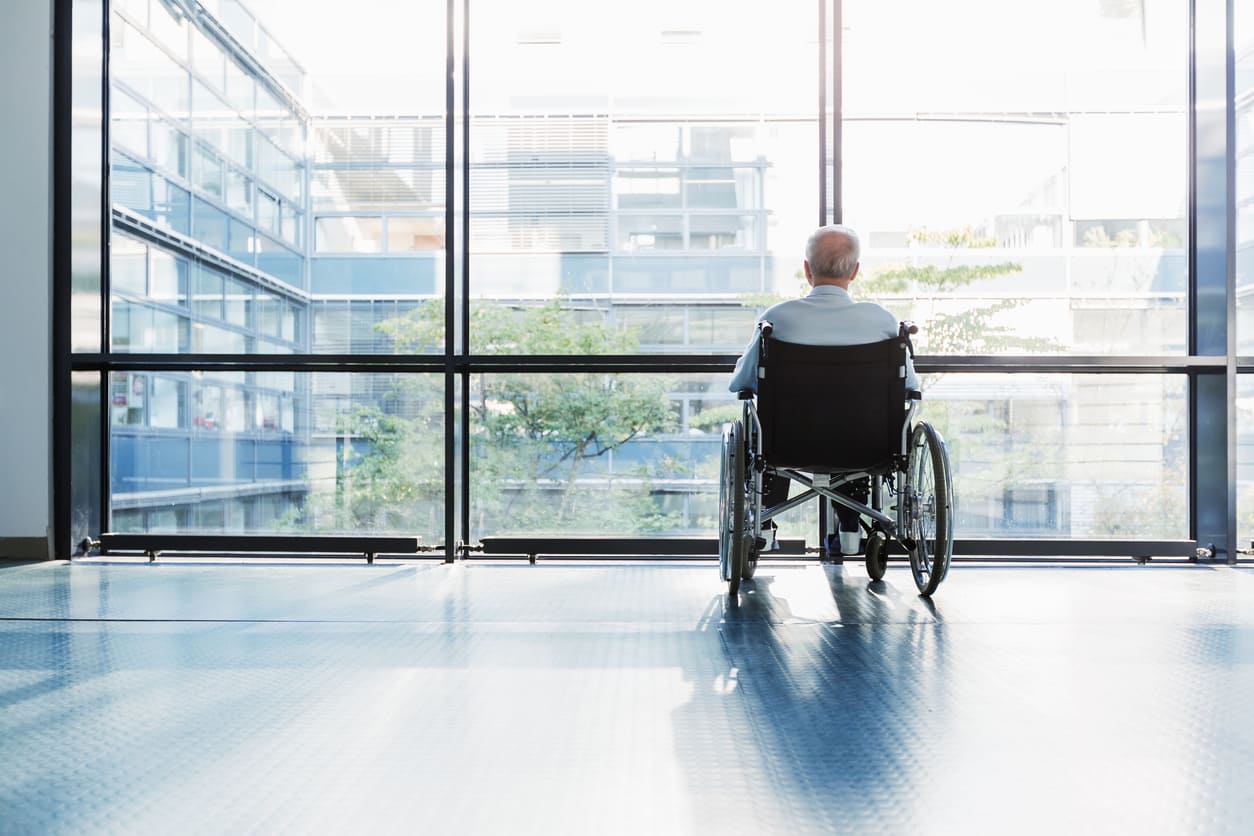
Many nursing home residents require help with nearly every part of daily living. Limited mobility can mean they need assistance with transfers, toileting, bathing, and repositioning. Cognitive conditions like dementia can affect memory and communication, making it hard to report mistreatment or even understand what caused an injury.
Medical complexity adds another layer. Residents often have multiple diagnoses, specialized diets, therapy plans, and medication schedules that require consistent attention. When staffing is thin or training is uneven, small mistakes can compound quickly. A missed dose can lead to confusion, which can lead to a fall, and that fall can lead to hospitalization.
Vulnerability also includes social isolation. Some residents have few visitors. Others feel uncomfortable speaking up because they worry about retaliation or believe they will not be considered. Even residents who want to speak up may face barriers, such as hearing loss, speech impairment, or limited English proficiency.
Daily routines can become pressure points where neglect is revealed. Residents may need assistance with accessing meals, obtaining water, or using the bathroom. When assistance is delayed, a resident may skip meals, become dehydrated, or attempt unsafe movement. Over time, these repeated moments can contribute to weakness, skin breakdown, urinary tract infections, and emotional distress.
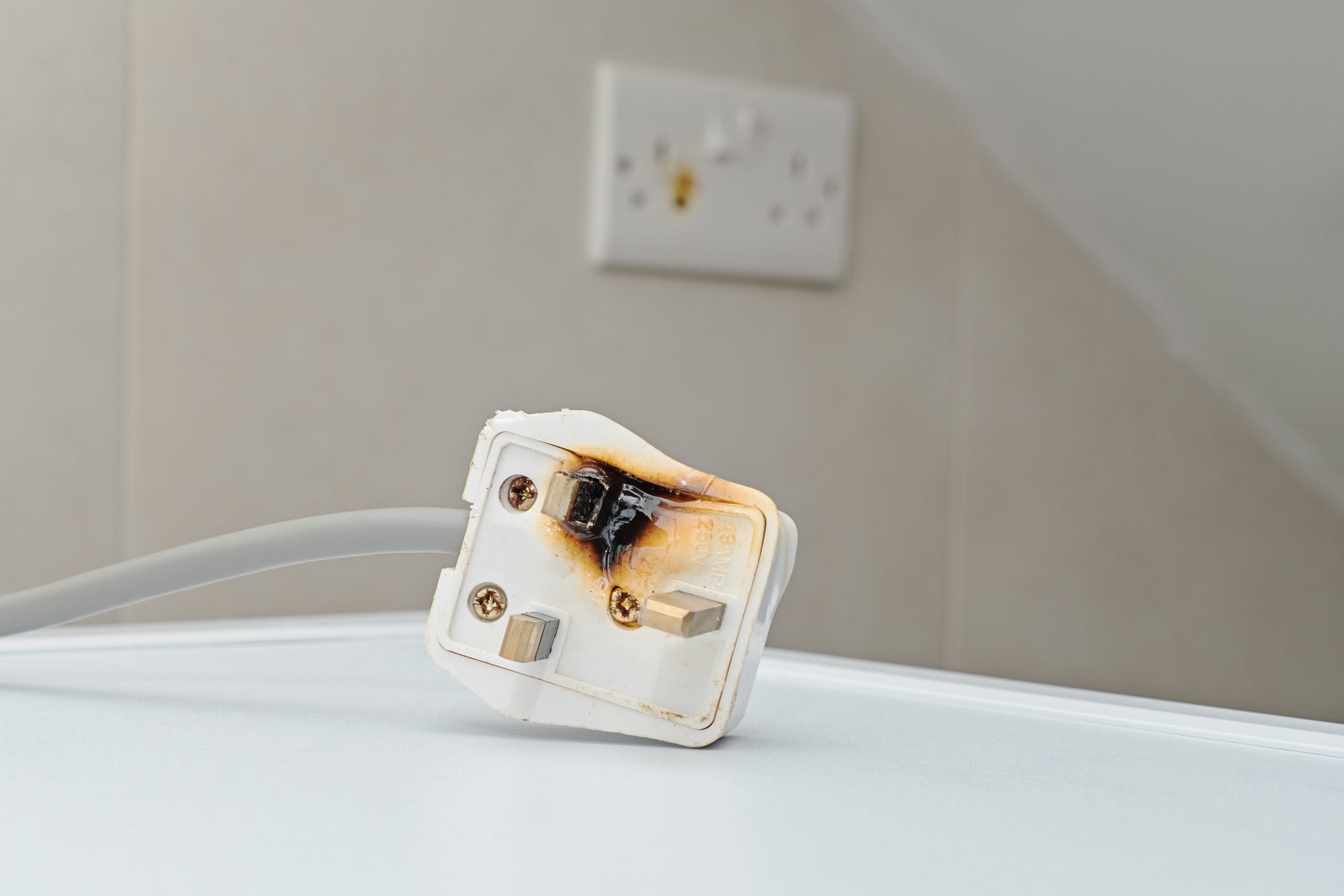
The physical environment matters too. A cluttered hallway, a loose cord, a missing grab bar, or a poorly positioned chair can create danger for a resident with impaired balance. If a resident uses a walker or wheelchair, maintenance failures turn routine movement into risk.
When a facility is attentive, these vulnerabilities are addressed through staffing, oversight, and consistent care planning. When a facility is careless, dependence becomes a risk factor. Understanding these realities helps families recognize why problems can persist and why careful monitoring is essential.
What Counts As Nursing Home Abuse
Nursing home abuse includes a broad range of conduct that compromises a resident’s safety, dignity, or health. It extends beyond intentional harm to include neglect and systemic failures that deprive residents of required care. Residents have enforceable rights to basic safety, sanitation, medical attention, and respectful treatment.
Abuse can occur through actions by staff, or through omissions when care is needed. In some situations, harm results from cost-cutting decisions, chronic understaffing, or weak supervision rather than a single bad actor. Families deserve to know that a pattern of unsafe care can be just as serious as a single act of violence.
It is also essential to recognize that abuse is not limited to staff interactions. Resident-on-resident harm can occur, especially when a facility houses residents with cognitive impairment, wandering behaviors, or aggression. Facilities have a responsibility to supervise and prevent foreseeable harm, particularly when they are aware that a resident presents a risk.
Physical, Emotional, Financial, And Neglect-Related Misconduct
Physical abuse may involve hitting, pushing, forceful handling, or improper restraints. Rough transfers and unnecessary physical pressure can cause bruising, fractures, and fear. Families sometimes notice a resident flinching during care or appearing anxious when a specific caregiver enters the room.
Emotional abuse can be quieter but still damaging. It can include intimidation, shaming, isolation, or dismissive treatment that undermines a resident’s sense of security and safety. A resident may become withdrawn, fearful, or reluctant to ask for help, which can result in unmet needs and a worsening of their health.
Financial exploitation may involve missing valuables, unusual charges, forged signatures, or pressure to sign documents without explanation. Because many residents rely on limited funds to support care, financial misconduct can disrupt medical planning and undermine stability.
Neglect often appears through missed meals, dehydration, poor hygiene, delayed medical attention, or failure to follow a care plan. It can also involve leaving residents in soiled clothing, failing to change bedding, or ignoring pain complaints. These are not minor inconveniences; they are quality-of-life issues that can lead to serious harm.
Neglect can also show up in misplaced essentials. Glasses, hearing aids, dentures, mobility devices, and call buttons are not optional. When these items are lost or out of reach, residents may become disoriented, isolated, and more likely to fall. A facility that consistently fails to maintain these basics may be signaling broader issues with care.
Warning Signs Of Nursing Home Abuse And Neglect
Warning signs are not always obvious. Families may notice gradual changes rather than sudden injuries. Paying attention to patterns over time can help distinguish between normal health fluctuations and indicators of neglect or abuse.
A helpful approach is to compare what you see now to a resident’s baseline. A person who usually enjoys conversation may stop making eye contact. A stable resident may become hesitant to stand. These changes can have medical causes, but they also warrant questions when the facility cannot provide clear explanations.
Timing can reveal patterns. Some families notice concerns after staffing changes, particularly during weekends or overnight shifts. Others notice that issues arise when a resident is supposed to receive a specific service, like therapy, wound care, or assisted meals. Keeping notes about dates, conditions, and conversations can clarify what is happening.
Behavioral, Physical, And Environmental Indicators Families Should Know
Behavioral indicators may include withdrawal, increased confusion, fearfulness, sudden agitation, or reluctance to interact with specific caregivers. A resident may become unusually quiet or may express worry about being alone.
Physical indicators often raise the earliest concerns. These can include bruises without explanation, repeated falls, skin tears, dehydration, weight loss, and untreated infections. A resident who appears unwashed, wears the same clothing repeatedly, or has a strong odor of urine may not be receiving basic assistance.
Environmental indicators matter as well. Rooms that are consistently dirty, call lights left unanswered, broken bed rails, missing mobility aids, or poor lighting can suggest inadequate supervision. According to guidance from Medicare.gov, consistent observation and timely reporting are essential to protecting residents.
Communication from the facility can also be telling. When calls are not returned, explanations keep changing, or incident reports are unavailable, families are right to be concerned. A transparent facility typically documents problems, notifies families, and can explain what was done to address the issue.
Common Injuries Associated With Nursing Home Abuse
Injuries connected to nursing home abuse or neglect often develop over time rather than from a single event. Because residents may already have pre-existing health conditions, injuries can be misattributed to the natural aging process instead of improper care. Recognizing common injury patterns helps families understand when harm may be preventable.
Falls, Bedsores, Medication Errors, And Preventable Infections
Falls are among the most common causes of injury in nursing homes. They may occur when residents are left unattended, when mobility aids are unavailable, or when hazards such as clutter and poor lighting are not addressed. A fall can lead to fractures, head injuries, and long-term mobility loss that changes a resident’s independence.
Bedsores, also known as pressure injuries, can develop when residents are not repositioned regularly or when skin care protocols are not followed. These wounds can deepen quickly and become infected. For residents who are already weak, a serious pressure injury can be a turning point in health.
Medication errors can include incorrect dosages, missed medications, or failure to monitor side effects and interactions. A resident may become dizzy, confused, overly sedated, or agitated, and the facility may describe it as a normal change rather than an avoidable medication problem.
Preventable infections can arise from poor hygiene, delayed wound care, or inadequate infection control measures. Infections can escalate quickly in older adults. Prompt recognition and timely treatment are critical.
Medical guidance from the Mayo Clinic emphasizes the importance of early attention and consistent care in reducing serious complications.
Other injuries can include skin tears from rough handling, bruising from unsafe transfers, dehydration that causes weakness, and complications tied to poor nutrition. Residents who struggle with eating can experience weight loss, which can impact their immunity and recovery. Residents who need help with drinking water may become dehydrated, which can lead to confusion and an increased risk of falls.
Families sometimes learn about an injury only after it has progressed. A pressure injury that starts as mild redness can develop into an open wound. A urinary tract infection can go untreated until it causes delirium or hospitalization. These outcomes are not always inevitable; they often depend on whether basic monitoring and response standards were followed.
How Liability Is Determined In A Springfield Nursing Home Abuse Case
Determining liability requires a detailed review of facility policies, caregiver conduct, and compliance with state and federal requirements. Responsibility may be shared among individual staff members, supervisors, administrators, or corporate owners.
Liability often turns on what the facility knew or should have known. If a resident had a documented fall risk, a plan to reduce that risk should have been in place, and staff should have followed it. If family members complained about hygiene or missed medications, the facility’s response and follow-through were documented in the record.
Facilities typically have procedures for reporting incidents, charting injuries, and notifying families. When those procedures are ignored or inconsistently applied, it can support the conclusion that the facility failed to meet its obligations.
Another issue is staffing. Staffing logs, assignments, and shift reports can show whether enough trained staff were available to meet residents’ needs. When staffing is chronically insufficient, residents may not receive timely assistance with toileting, meals, hydration, and repositioning, thereby increasing the risk of harm.
Liability can also involve coordination failures with outside providers. Some residents receive services from contractors such as therapists or medical consultants. When coordination breaks down, treatments may be missed, symptoms may be ignored, and harm may follow. Understanding who was responsible for each part of the care plan is an essential step in identifying where the failure occurred.
Facility Duties, Staffing Issues, Documentation, And Required Standards Of Care
Nursing homes have duties to provide adequate staffing, proper training, and a safe environment. Chronic understaffing can lead to rushed care and overlooked needs. Even when staff are present, training gaps can lead to unsafe transfers, missed repositioning, and medication errors.
Documentation is central to evaluating care quality. Care plans, medication logs, wound care notes, therapy records, and incident reports provide insight into what the facility did or failed to do. Inconsistent charting, missing entries, or unexplained changes can raise concerns.
Massachusetts’ mandatory abuse reporting rules for nursing outline the obligations to report suspected abuse and protect residents.
Facility duties also include maintaining reasonable safety measures such as fall prevention, infection control procedures, and supervision for residents who wander or become confused. A care plan should be updated when a resident’s condition changes, and staff should be informed about those changes.
Staffing issues often appear through delayed responses. Residents may wait too long for assistance with toileting, increasing fall risk and skin problems. Meals may be served without adequate help, leaving residents who cannot feed themselves unable to eat. When staff are stretched thin, basic dignity can fall away.
Families sometimes see contradictions between chart notes and reality. A record may suggest a resident ate well, but a family member sees an untouched tray. A log may show a medication was administered, yet the resident reports it never happened. These details can be crucial in determining whether care was actually provided.
Compensation That May Be Available In A Nursing Home Abuse Claim
Compensation is meant to address the full impact of abuse or neglect. Recovery may include medical treatment, rehabilitation, and costs tied to correcting poor care. In certain situations, compensation also encompasses pain, suffering, or a diminished quality of life.
Each claim depends on the facts. A resident who suffers a fracture may need surgery and extensive therapy. A resident who develops a severe infection may require hospitalization and long-term monitoring. These outcomes can lead to lasting improvements in mobility, independence, and daily comfort.
Families may also incur out-of-pocket expenses when they step in to address needs the facility should have handled. They may purchase hygiene supplies, additional nutrition, specialized cushions, or adaptive equipment. They may arrange transportation for outside medical evaluation. Keeping records of these costs can help show the real impact of neglect.
In severe cases, harm can increase the level of care a resident needs. A resident who previously could participate in activities may become bedridden. A resident who enjoyed visits may become less responsive due to complications. These losses are personal, but they are also part of the case evaluation.
When misconduct involves financial exploitation, recovery may focus on restoring losses and addressing the disruption to a resident’s stability. A resident’s resources are often intended to support ongoing care, so financial misconduct can affect future medical planning.
What To Do If You Suspect Nursing Home Abuse In Springfield
Taking prompt action can help prevent ongoing harm and preserve important information. Start by documenting what you observe, including dates, changes in condition, and any explanations you receive. Photographs and medical records can provide helpful context.
Clear questions often lead to clearer answers. Families can request incident reports, care plan updates, and details about medication changes. Written responses, when available, reduce confusion later. When explanations shift or details are consistently missing, that pattern can matter.
An independent medical evaluation can be important when a resident has unexplained bruising, rapid decline, signs of dehydration, or suspected infection. Documentation from an outside provider may clarify whether a condition appears consistent with neglect.
Reporting concerns through appropriate channels creates accountability and may trigger an investigation. The U.S. Department of Justice emphasizes the importance of early intervention when warning signs appear.
Practical steps can include varying visit times when possible. A resident’s condition may look different on a weekday afternoon than it does on a weekend morning. Maintaining a simple log of observations, including staff names, can help families track patterns.
When a resident expresses fear or discomfort, listening without pressure helps. Some residents worry that speaking up will make things worse. Calm reassurance and consistent advocacy can help a loved one feel supported and secure.
Contact Sweeney Merrigan Law For Help With A Nursing Home Abuse Case
Protecting a loved one’s dignity and safety takes informed decisions and steady advocacy. We approach nursing home abuse cases with care, persistence, and clear communication, so families know where they stand and what options are available.
To discuss your concerns and explore the next steps, contact Sweeney Merrigan Personal Injury Lawyers at (617) 391-9001.