







Serious injuries caused by defective products often arrive without warning and disrupt daily life in ways no one expects. Products intended to make life easier can instead lead to physical harm, emotional stress, and financial strain when something goes wrong. Working with a Springfield product liability lawyer helps ensure accountability while protecting the rights of individuals who have been harmed by unsafe consumer goods.
At the core of this work is a commitment to people, not corporations, a value that guides how we approach every product liability matter at Sweeney Merrigan Personal Injury Lawyers.
Why Injuries From Defective Products Require Experienced Legal Support
How Product Defects Impact Consumers And Families
Product-related injuries tend to feel especially unfair because the danger is often hidden. Consumers rely on the expectation that products placed on store shelves are reasonably safe when used as intended. When that expectation is broken, the consequences can be serious and long-lasting.
These cases also present challenges that are not always apparent at first. Manufacturers and sellers may argue that a product was misused or altered, or attempt to shift blame through technical defenses. At the same time, medical bills and lost income begin to accumulate. Having legal support helps ensure the focus remains on how the product failed and the harm that followed.
A defective product injury often affects more than one person. Families may face disrupted schedules, added financial pressure, and emotional strain while helping a loved one recover. These realities underscore the importance of accountability in product liability cases.
What Qualifies As A Product Liability Case In Springfield, Massachusetts
A product liability case typically involves a product that posed an unreasonable danger and caused injury during normal, expected use. In practical terms, these claims often begin with a straightforward consideration of whether the product should have failed under ordinary conditions. When the circumstances suggest a safety issue, the focus shifts to identifying how the failure occurred and which parties bear legal responsibility.
In Springfield, Massachusetts, product cases can involve manufacturers, parts suppliers, distributors, wholesalers, retailers, and, in some situations, repair services or installers. Liability is not limited to the company whose name appears on the packaging. Many products involve multiple corporate layers, and identifying the correct parties is a key part of protecting the claim.
Massachusetts also has legal concepts that differ from how people casually discuss product cases. A consumer might say a company should be held strictly responsible, but the legal path often relies on warranty and negligence principles. That is not just legal vocabulary; it shapes what must be proven, what evidence matters most, and how defenses are handled.
Manufacturing Defects, Design Defects, And Failure To Warn
Most product liability claims fall into a few common categories, each focused on a different type of safety breakdown.
Manufacturing defects involve products that were intended to be safe but became hazardous due to an error during production. A batch may have been assembled incorrectly. A critical component may have been contaminated, weakened, or installed in the wrong orientation. Even when a design is sound, a manufacturing error can turn an ordinary consumer item into a hazard.
Design defects refer to products that are unsafe even when manufactured exactly as intended. The blueprint itself creates the risk. A guard may be placed where it cannot realistically protect the user. A battery design may be prone to overheating under normal charging conditions. A children’s product may include small parts that detach too easily and create choking hazards. With design problems, the question often becomes whether a safer, practical alternative design existed.
Failure to warn focuses on information. Some products carry risks that are not obvious to the average consumer. Clear instructions, adequate warnings, and proper labeling can prevent harm. When a company is aware, or should be aware, of a danger and fails to provide appropriate warnings, injuries can result.
According to Massachusetts General Laws Chapter 106, Article 2, Section 2‑314, Implied Warranty of Merchantability, products sold in the Commonwealth must be fit for the ordinary purposes for which such goods are used, forming a core consumer protection standard in defective product cases.
Common Types Of Product Liability Claims Seen In Springfield
Springfield residents rely on consumer products throughout their daily lives, whether at home, on the job, on the road, or during leisure activities. When these products fail, the resulting injuries can be serious and disruptive. Many claims involve items promoted as safe and dependable that unexpectedly break, overheat, or malfunction during normal use.
Some cases involve products sold nationwide, while others stem from equipment commonly used in local industries. Regardless of where the product originated, the issue is the same. The consumer relied on the product to operate safely, and it did not. A claim may involve one clear defect or several related failures that combined to create an unreasonable risk of harm.
Dangerous Household Items, Faulty Machinery, And Unsafe Consumer Goods
Every day, defective products appear more frequently than most people realize, and the risks are not limited to extreme circumstances. Common categories include household tools, appliances, children’s products, electronics, auto parts, and machinery used in workplaces and home projects.
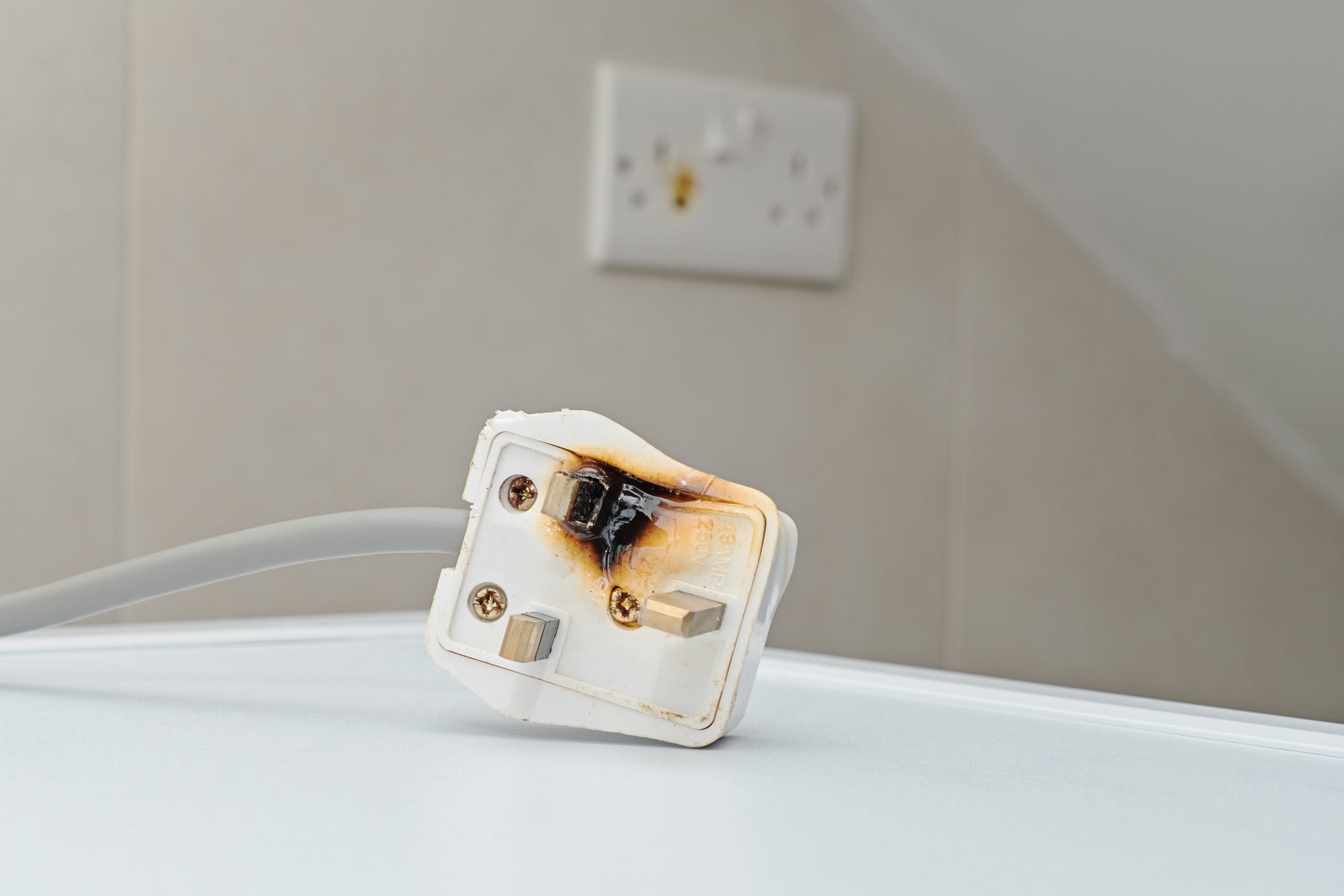
Household tools and power equipment can cause deep lacerations, crushed fingers, and eye injuries when safety guards fail or switches malfunction. Appliances can lead to burns, electric shock, or fires when wiring, thermostats, or internal components are defective. Children’s products can cause falls, head injuries, and choking hazards when straps break, components detach, or stability features fail.
Electronics and batteries present a different set of concerns. Overheating devices, swelling batteries, and charging failures can lead to burns and property damage. Auto parts and vehicle-related products may include defective tires, brakes, airbags, car seats, or replacement components that do not perform as advertised. Machinery, including forklifts, industrial tools, or smaller job site equipment, can cause catastrophic injuries when moving parts are not properly guarded or when control systems fail.
According to the National Safety Council’s Consumer Product Injury Data, consumer products contribute to a significant number of injuries in home and community settings each year, underscoring how ordinary household and consumer items can pose serious risks when safety standards are not met.
How Liability Is Proven In A Springfield Product Liability Case
Proving liability requires showing a clear connection between the defect and the injury. This process often begins with preserving the product, packaging, instructions, and receipts. Photographs taken soon after the incident can also be critical.
A thorough investigation identifies everyone involved in the distribution chain, including manufacturers, suppliers, and sellers. Companies may argue that misuse or unrelated causes are responsible, so a strong claim anticipates these defenses and addresses them with documentation and technical support.
Evidence Used To Connect The Injury To A Defective Product
Evidence from several sources works together to explain how the defect caused harm.
Product testing and engineering analysis often reveal whether a failure was caused by poor design or manufacturing errors. Recall notices, safety standards, and internal documents can demonstrate what risks were known and how they were handled. Medical records and expert testimony connect the incident to the injuries suffered. Receipts, order confirmations, warranty registrations, and maintenance records help establish that the injured person obtained the product through ordinary channels and used it in a typical way. Photos of the scene, damaged clothing, burn patterns, or surrounding property damage can support how the event unfolded.
In some cases, negligence plays a role, especially when a party failed to act with reasonable care in designing, manufacturing, distributing, or warning about a product. This concept may apply depending on how a defective product was designed, manufactured, or placed into the marketplace.
Compensation Available In A Product Liability Claim
Compensation in a product liability claim is meant to reflect the full impact of the injury, not just the first hospital visit. Many people focus on immediate medical bills, but the financial consequences can stretch for months or years. Some injuries require follow-up procedures, ongoing therapy, medication, or assistive devices. Others lead to chronic pain, reduced mobility, or permanent limitations that change a person’s ability to work and enjoy life.
Recoverable damages may include medical costs, rehabilitation expenses, lost income, and diminished earning capacity. In addition, an injured person may seek compensation for pain, suffering, emotional distress, and loss of enjoyment of life. When an injury affects a family relationship, it may also lead to claims related to the impact on a spouse or household.
Property loss can also be part of the claim, especially when a defective product causes a fire or damages a home or personal belongings. These cases focus on ensuring the burden of a dangerous product does not fall on the person who used it responsibly.
Factors That Influence The Value Of A Product Liability Case
The value of a product liability case depends on how the injury affects the person’s life today and how it is expected to affect them in the future. Serious injuries with long recovery times often carry higher value because the costs, limitations, and pain are greater. Permanent impairments, disfigurement, or injuries that prevent a person from returning to their career can significantly change the scope of damages.
Evidence strength also matters. A case supported by preserved product evidence, clear medical documentation, and strong expert analysis tends to be more persuasive. When the defect is obvious or well-documented through prior incidents, that can also affect the case posture. On the other hand, when a product has been lost, repaired, or discarded, the defense may argue that the cause cannot be determined.
The number of responsible parties and the clarity of their roles can also influence value. Sometimes a defect is tied to a single manufacturer. At other times, multiple companies contributed to the risk, such as a component supplier and a brand owner, or a retailer that continued to sell a product despite known issues.
Finally, the human side matters. The day-to-day reality of living with pain, adapting to limitations, losing independence, or facing anxiety after a traumatic injury is real harm. A well-developed claim explains those impacts with honest detail, showing not only what happened, but what it changed.
Contact Sweeney Merrigan Law For Help With A Product Liability Case
Defective product claims can move quickly, especially when evidence and product condition are central to proving what went wrong. We approach these matters with steady preparation, clear communication, and genuine care for the people who come to us during a difficult time.
For guidance on next steps in a Springfield product liability case, contact Sweeney Merrigan Personal Injury Lawyers at (617) 391-9001.
Helpful articles:
Related Practice Areas: