






A serious pedestrian collision can change the course of a person’s life in a matter of seconds. When a vehicle strikes someone on foot, the injuries are often devastating, and the recovery process can feel overwhelming for both the injured person and their family. Working with a pedestrian accident lawyer Nashua residents rely on can make a meaningful difference in how a claim unfolds and how accountability is pursued.
At Sweeney Merrigan Personal Injury Lawyers, we understand how vulnerable pedestrians are on Nashua’s roadways and how deeply these incidents affect every part of a person’s future, from physical health to financial stability.
Understanding Pedestrian Accidents Under New Hampshire Law
New Hampshire law protects pedestrians using roadways, sidewalks, parking lots, and crosswalks. Drivers must operate with reasonable care, yield when required, obey traffic signals, and remain attentive to foot traffic. When a motorist breaches that duty and causes injury, the law allows the pedestrian to seek compensation.
The state follows a modified comparative fault system, meaning an injured pedestrian may still recover damages if their share of responsibility does not exceed fifty percent. Any recovery is reduced by the assigned percentage of fault. Careful legal analysis focuses on whether the driver failed to act as a reasonably prudent person under the circumstances.
Legal Rights Of Pedestrians After A Traffic Collision
Pedestrians in Nashua have the right to use marked crosswalks, unmarked intersections, and sidewalks without facing unreasonable danger from motorists. Drivers are required to yield when appropriate and to exercise heightened caution in areas with expected foot traffic, including school zones and commercial districts.
After a traffic collision, an injured pedestrian may have the right to pursue compensation for medical expenses, lost earnings, diminished earning capacity, pain and suffering, and other related damages. In some cases, claims may also involve future medical needs or long-term rehabilitation costs. The specific legal options available depend on the facts of the case, including how the crash occurred, whether traffic signals were functioning properly, and whether multiple parties share responsibility.
Prompt legal guidance can help preserve evidence and ensure that important deadlines are not overlooked. Early investigation often makes a meaningful difference in documenting liability and protecting a person’s rights from the outset.
Common Causes Of Pedestrian Accidents In Nashua
Many pedestrian crashes stem from preventable driver behavior. Nashua’s mix of residential streets, commercial corridors, and busy intersections creates environments where inattention can quickly lead to tragedy. Increased traffic congestion, particularly during commuting hours, further raises the likelihood of serious incidents.
According to the National Highway Traffic Safety Administration report, thousands of pedestrians are killed or seriously injured each year in traffic collisions across the United States. These figures highlight the ongoing risks pedestrians face nationwide and reinforce the importance of holding negligent drivers accountable when preventable harm occurs.
While weather conditions and visibility can play a role, driver negligence remains the most significant contributing factor in the majority of cases. A moment of distraction or a decision to exceed the speed limit can permanently alter another person’s life.
Driver Negligence And Failure To Yield
Driver negligence remains the leading factor in pedestrian accidents, particularly in busy areas where foot traffic and vehicle congestion intersect. The most common forms of negligent driving behavior include:
- Failure To Yield: Drivers who do not stop for pedestrians in marked or unmarked crosswalks violate clear roadway duties.
- Distracted Driving: Mobile device use and in-vehicle distractions reduce reaction time and awareness of foot traffic.
- Speeding: Excessive speed shortens stopping distance and increases the severity of impact injuries.
- Traffic Signal Violations: Running red lights or turning without checking for pedestrians creates immediate danger.
In many claims, establishing negligence requires demonstrating that the driver knew, or should have known, that pedestrians were likely to be present in residential neighborhoods, downtown areas, or commercial districts.
High Risk Areas For Pedestrian Accidents
Certain areas of Nashua pose a heightened risk to pedestrians. Areas near shopping centers, schools, public transportation stops, healthcare facilities, and downtown intersections frequently see increased pedestrian activity. When vehicles move through these zones without proper caution, the risk of collision increases substantially.
Urban planning, traffic volume, roadway width, and signal timing can all influence the likelihood of a crash. Narrow shoulders, limited lighting, and complex turning patterns may further complicate conditions for pedestrians.
Crosswalks, Intersections, And Poorly Designed Roadways
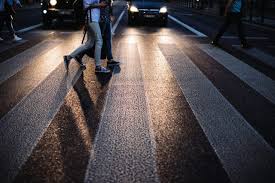
Crosswalks and intersections are among the most common sites of pedestrian crashes. Drivers making left or right turns sometimes focus primarily on oncoming vehicles and fail to check for individuals crossing with the signal. Poorly marked crosswalks, inadequate lighting, faded paint, and obstructed signage can further reduce visibility.
In some cases, road design plays a meaningful role. Confusing traffic patterns, insufficient pedestrian countdown signals, or malfunctioning traffic lights may contribute to unsafe conditions. When a municipality or third party is responsible for roadway maintenance, signage, or signal operation, questions of shared liability can arise. Evaluating these factors requires careful documentation and, in some cases, consultation with traffic engineering professionals.
Addressing high-risk locations is not only about determining fault but also about recognizing patterns that may support broader accountability when infrastructure defects contribute to repeated incidents.
Injuries Frequently Sustained In Pedestrian Accidents
Because pedestrians lack the protection afforded to vehicle occupants, the physical consequences of a collision are often severe. Even a low-speed impact can cause significant harm due to the direct force applied to the human body.
Victims frequently require emergency medical care, surgical intervention, hospitalization, and extended rehabilitation. Recovery may involve months or years of treatment, and some individuals never regain their prior level of physical functioning.
Severe And Long-Term Physical Injuries
Pedestrian collisions frequently result in serious, life-altering conditions that can permanently affect a person’s health, independence, and ability to work, including:
- Traumatic Brain Injuries: May affect memory, concentration, speech, and emotional regulation.
- Spinal Cord Damage: Can lead to partial or complete paralysis and long-term medical dependency. According to the Mayo Clinic, these injuries may result in permanent changes in strength, sensation, and function below the injury site.
- Complex Fractures: Often require surgery, rehabilitation, and extended physical therapy.
- Internal Injuries: May involve organ damage or life-threatening internal bleeding.
- Severe Soft Tissue Trauma: Can cause chronic pain and lasting mobility limitations.
Beyond the physical harm, many individuals experience anxiety, depression, sleep disruption, or post-traumatic stress. A comprehensive legal evaluation considers these long-term consequences, not just immediate medical expenses.
Determining Liability In A Pedestrian Accident Case
Identifying who is legally responsible for a pedestrian accident requires a detailed review of the available evidence. While driver negligence is frequently the primary cause, other contributing factors may also be present.
Liability analysis typically involves examining traffic laws, witness accounts, surveillance footage, patterns of vehicle damage, and accident reconstruction findings. Each piece of evidence helps clarify how and why the collision occurred and whether a duty of care was breached.
Insurance investigations do not always present a complete picture. Independent analysis can reveal additional factors that may otherwise be overlooked.
When Multiple Parties May Share Responsibility
Some pedestrian accidents involve more than one vehicle. In multi-vehicle crashes, several drivers may share fault depending on their actions leading up to the impact. For example, one driver may have failed to yield while another was speeding or following too closely.
There are also situations where third parties bear partial responsibility. A commercial vehicle operator may have been acting within the scope of employment, making the employer potentially liable. A property owner who allows visual obstructions near a driveway could contribute to unsafe conditions. A municipality responsible for maintaining traffic signals, crosswalk markings, or roadway design may face scrutiny if defects contributed to the incident.
Careful investigation is necessary to determine whether one or several parties should be held accountable for the harm suffered. Identifying all responsible entities can be critical to ensuring adequate compensation is available.
Comparative Fault Rules In New Hampshire Pedestrian Accidents
New Hampshire follows a modified comparative fault rule. Under New Hampshire Revised Statutes Annotated Section 507:7-d, an injured person may recover damages as long as their share of fault does not exceed fifty percent. Fault allocation is typically determined through negotiation or, in some cases, by a jury.
Under this approach, compensation is reduced in proportion to the injured party’s assigned percentage of responsibility. For example, a pedestrian found to be 20% at fault would see their total recovery reduced by that percentage. If fault were determined to be greater than fifty percent, recovery would generally be barred.
How Partial Fault Can Affect A Legal Claim
Defense arguments in pedestrian cases often seek to shift blame onto the pedestrian. Claims that the pedestrian crossed outside a marked crosswalk, wore dark clothing at night, or stepped into traffic unexpectedly are common strategies used to reduce liability exposure.
A detailed explanation of comparative fault is essential because partial responsibility does not automatically eliminate a claim. Instead, the focus becomes on how fault is allocated and whether it remains within the allowable threshold. Evidence such as signal timing data, skid marks, surveillance footage, and eyewitness testimony can significantly influence how responsibility is assessed.
Demonstrating that a driver’s negligence was the primary cause of the collision can substantially affect the outcome. Thorough documentation, credible expert analysis, and consistent medical records are often central to countering attempts to minimize a pedestrian’s recovery.
Evidence Commonly Used In Pedestrian Accident Claims
Strong evidence forms the foundation of a pedestrian injury claim. Clear, objective documentation helps establish how the collision occurred, who was responsible, and the extent of the harm suffered.
Police reports typically include scene observations, statements from the parties involved, and preliminary assessments of fault. Medical records document diagnoses, treatment, surgical procedures, and prognosis, creating a timeline that connects the crash to the injuries sustained. Witness statements may clarify the status of traffic signals, vehicle speed, and driver behavior immediately before impact.
Police Reports, Medical Records, And Witness Statements
Additional proof can include surveillance footage, photographs of the scene, vehicle data, and expert analysis from accident reconstruction professionals. In cases involving catastrophic injury, medical specialists may provide opinions regarding long-term limitations and future care needs.
When comparative fault is disputed, consistent documentation becomes especially important. Accurate records and credible expert insight can counter attempts to shift blame or minimize the seriousness of the injuries.
Compensation Available To Injured Pedestrians
A pedestrian accident can impose significant financial strain. Medical treatment, lost income, transportation to appointments, and long-term therapy can quickly accumulate. Families may also face caregiving responsibilities that affect household earnings and daily stability.
Compensation in a personal injury claim may include economic and non-economic damages. Economic losses cover measurable expenses such as hospital bills, rehabilitation costs, prescription medication, assistive devices, and lost wages. Non-economic damages address pain and suffering, emotional distress, loss of enjoyment of life, and the broader impact on daily functioning.
Medical Costs, Lost Income, And Non-Economic Damages
Compensation in pedestrian accident claims may include several categories of financial and personal losses, depending on the severity of the injuries and the long-term impact on the individual’s life:
- Medical Expenses: Hospital care, surgery, rehabilitation, medication, and future treatment needs.
- Lost Income: Wages missed during recovery and diminished earning capacity.
- Pain And Suffering: Physical discomfort and emotional distress resulting from the injury.
- Loss of Enjoyment of Life: Reduced ability to participate in daily activities and family life.
Severe injuries may require long-term medical care, in-home assistance, or accessibility modifications. Evaluating damages requires careful assessment of both current and anticipated future losses to ensure the full scope of harm is addressed.
Wrongful Death Claims Resulting From Pedestrian Accidents
Tragically, some pedestrian collisions result in loss of life. Families left behind often face emotional devastation, financial uncertainty, and unanswered questions.
New Hampshire law permits certain surviving family members to pursue a wrongful death claim when negligence causes a fatal injury. These claims may seek compensation for medical expenses incurred prior to death, funeral costs, lost financial support, and loss of companionship. The process can be complex, particularly when multiple parties are involved or when liability is disputed.
Wrongful death litigation involves unique legal considerations and procedural requirements. Careful preparation, detailed investigation, and respectful communication are essential when guiding families through such an intensely personal and difficult process.
The Legal Process For A Pedestrian Accident Claim In Nashua
Pursuing a pedestrian accident claim begins with a thorough investigation to identify responsible parties, preserve evidence, and evaluate the full extent of injuries. Once liability and damages are assessed, a formal claim is presented.
Some cases resolve through negotiated settlement, while others require filing a lawsuit to protect the injured person’s rights. Each stage requires careful preparation and clear communication to keep the claim focused on accountability and fair compensation.
Filing Deadlines And New Hampshire’s Statute Of Limitations
Timeliness is a crucial aspect of any personal injury claim. According to New Hampshire Revised Statutes Annotated Section 508, Limitation of Personal Actions, most personal injury actions must be filed within three years of the date the injury was discovered or reasonably should have been discovered.
Missing the statutory deadline can result in losing the right to pursue compensation altogether. Evaluating when the limitations period begins and how it applies to a particular pedestrian accident requires careful legal review. Acting within the allowable timeframe is essential to preserving a claim.
Contact Sweeney Merrigan For Legal Guidance After A Pedestrian Accident In Nashua
A pedestrian accident can leave lasting physical, emotional, and financial consequences that affect not only the injured individual but also their family and future stability. Clear guidance, careful preparation, and a strong commitment to accountability are essential when pursuing a claim.
At Sweeney Merrigan Personal Injury Lawyers, we approach every case with dedication, transparency, and a focus on achieving meaningful results for those we represent. We take the time to listen, evaluate the details of your situation, and provide straightforward answers so you can make informed decisions about your next steps.
To discuss your situation and learn more about your legal options, contact our team at (617) 391-9001 for a confidential consultation.
Helpful articles:
- Pedestrian Accident in Massachusetts: Know Your Rights
- What to Do if You Have Been Hit by a Truck as a Pedestrian in Massachusetts?
- Pedestrian Accidents in Marked vs. Unmarked Crosswalks
- The Dangers of Texting While Walking